
Day 12
Great Pyramids of Giza
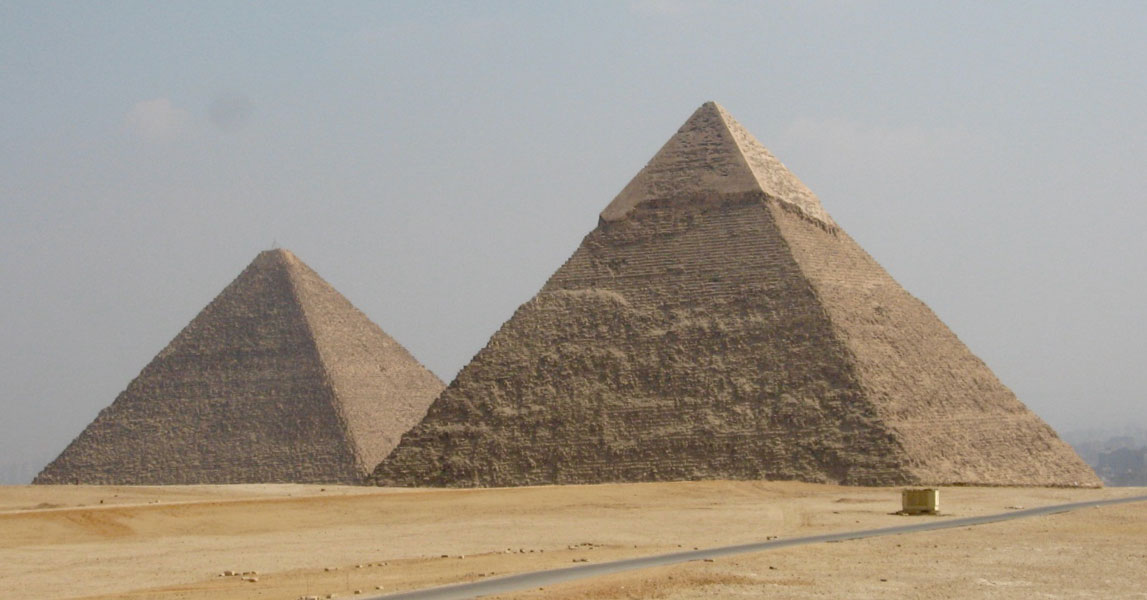
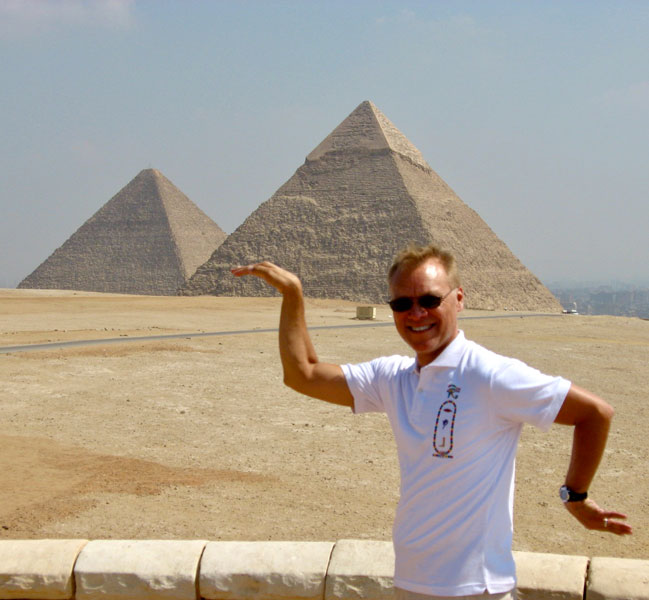
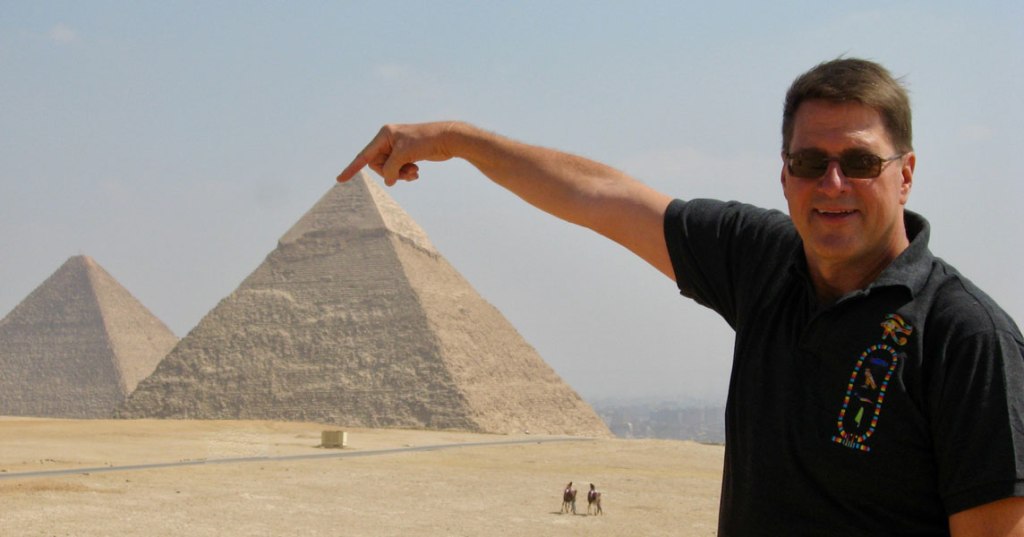
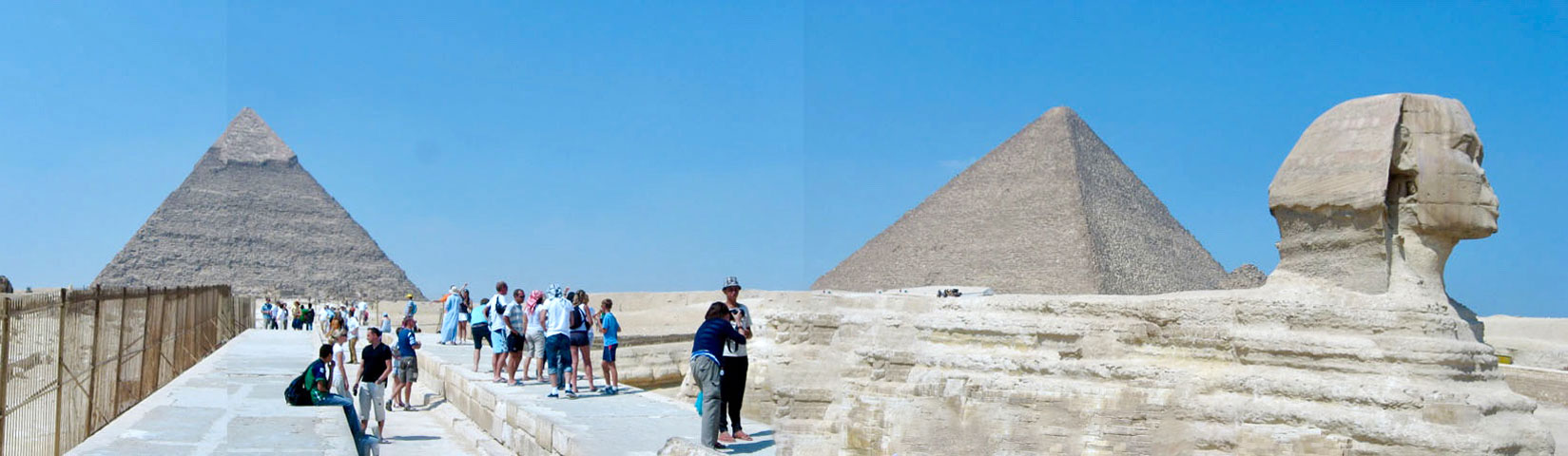
Today we started our day by exploring the great monuments of the Giza Plateau just outside sprawling Cairo. Here rise those emblematic symbols of Egypt, the pyramids and the Sphinx. Among their many distinctions, the Great Pyramid itself is the only one of the Seven Wonders of the Ancient World still standing.
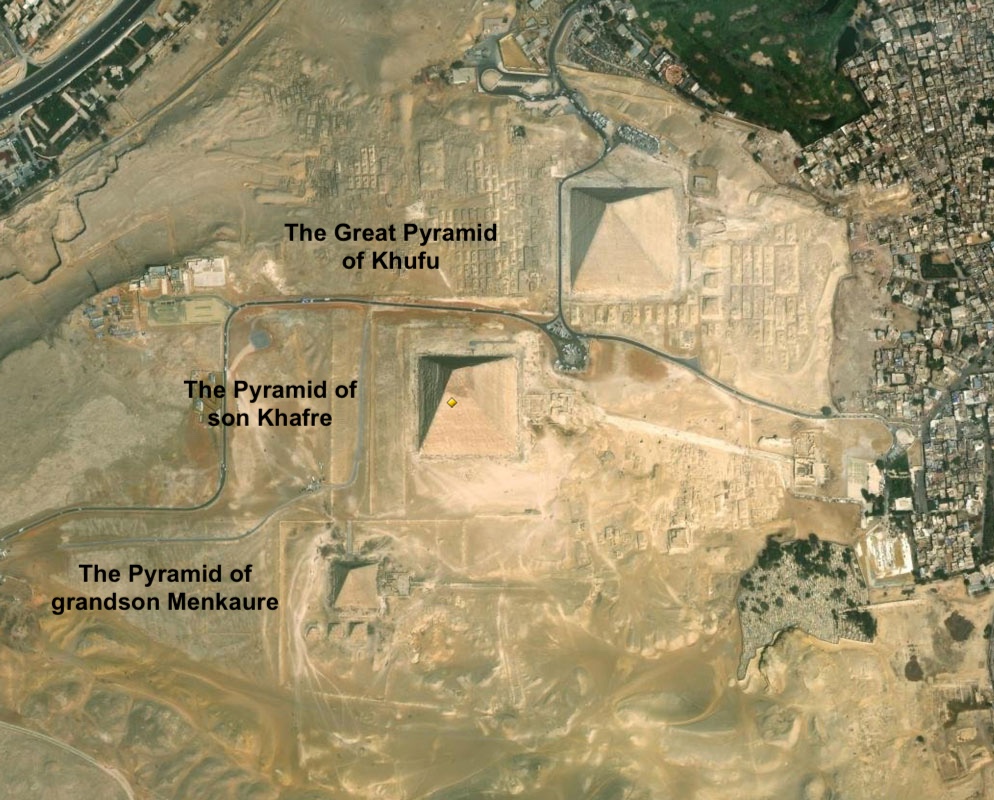
Each of these spectacular structures served as the final resting place of a king of the 4th Dynasty. The “Great” Pyramid, the oldest and largest of the three, was built for the pharaoh Khufu. The other two were the tombs for his son Khafre and grandson Menkaure.
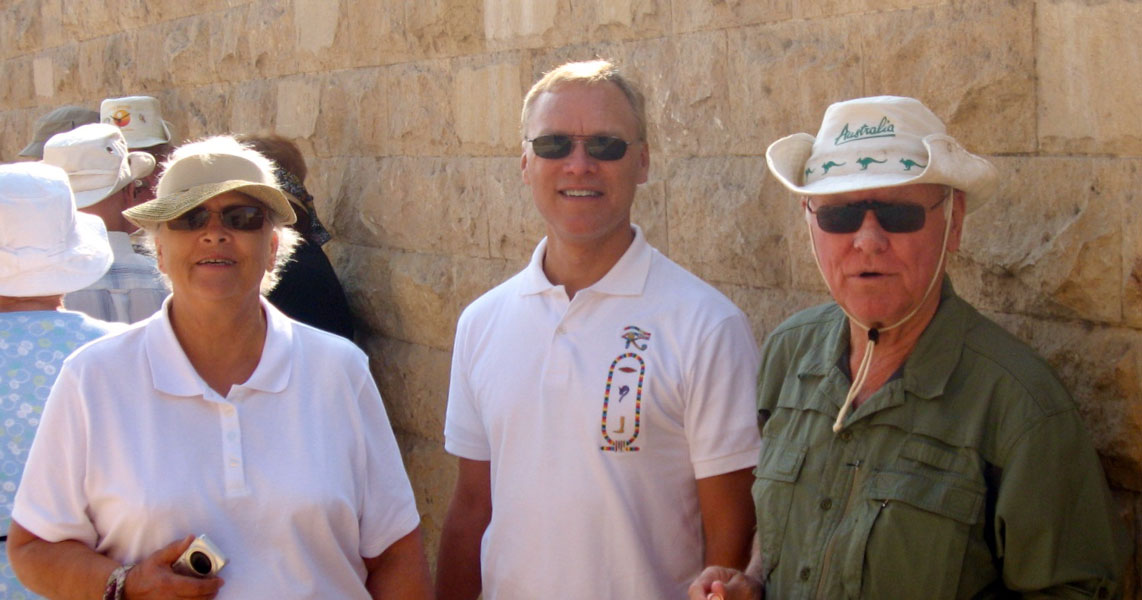
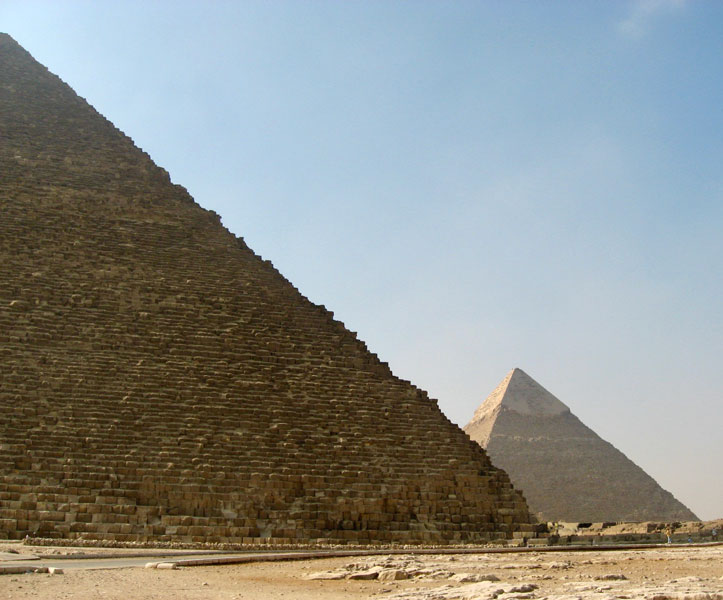
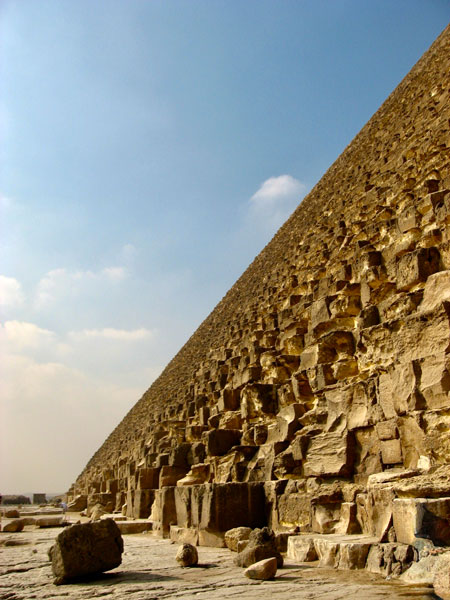
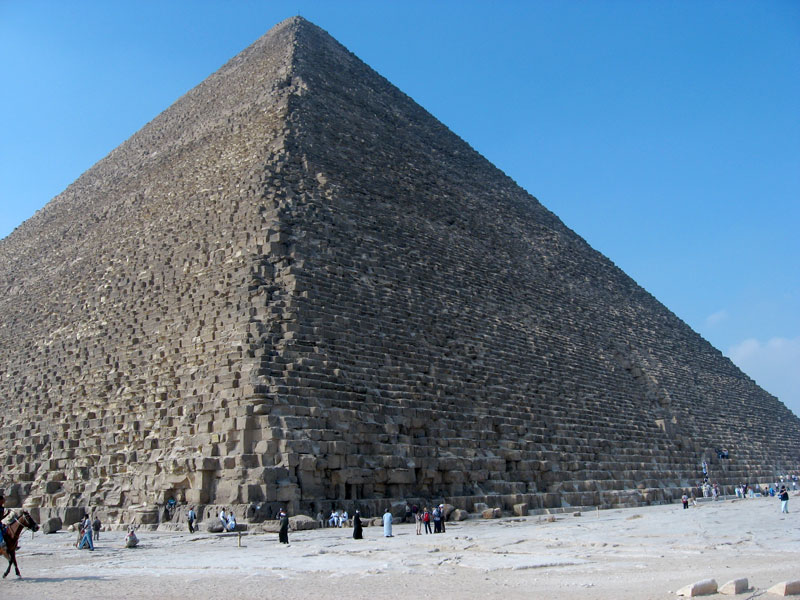
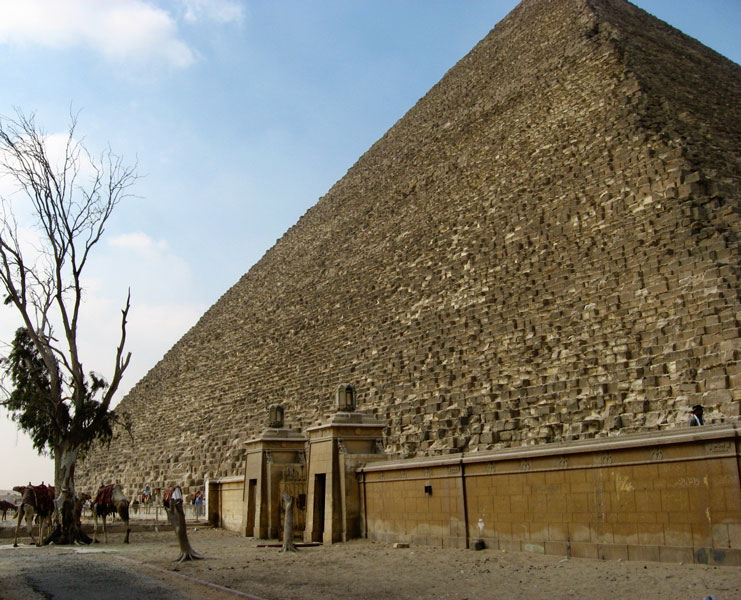
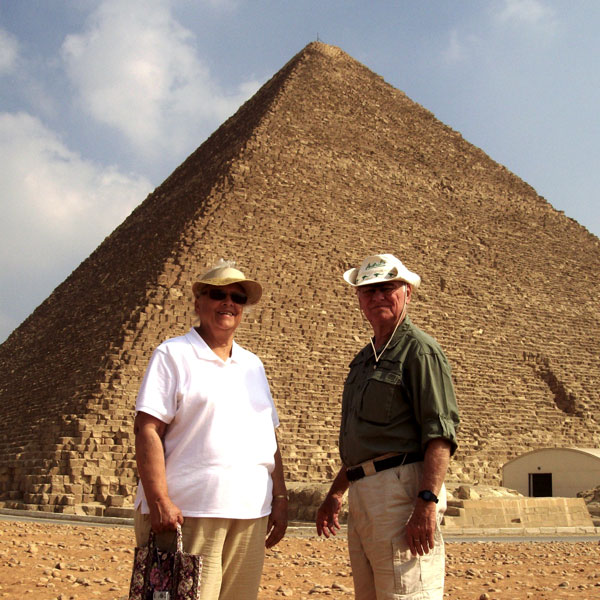
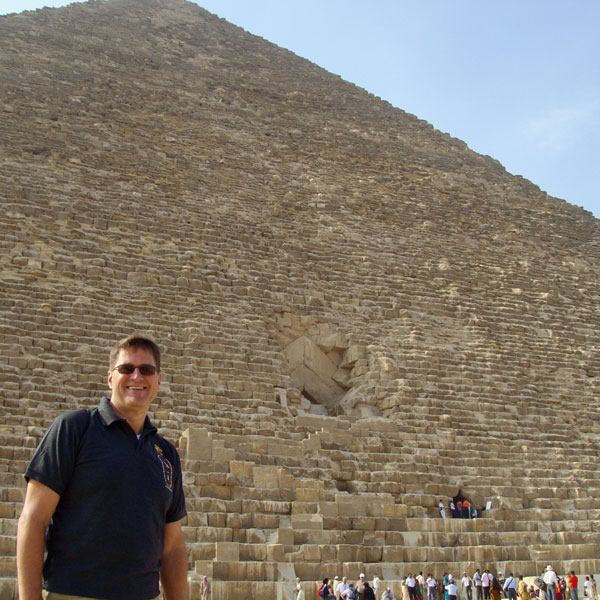
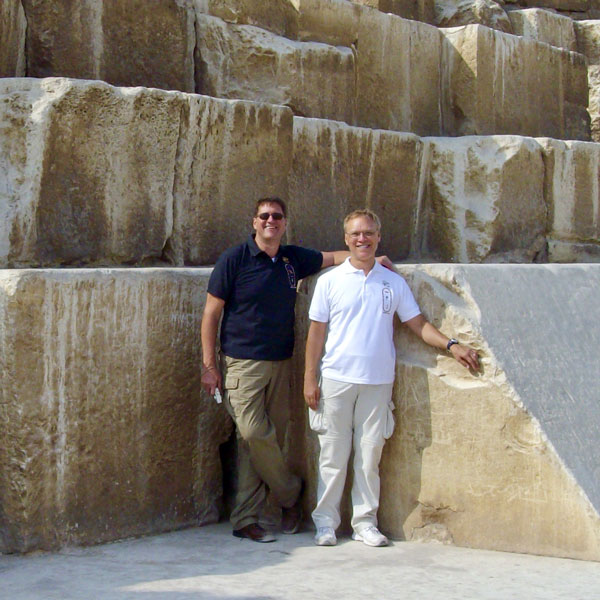
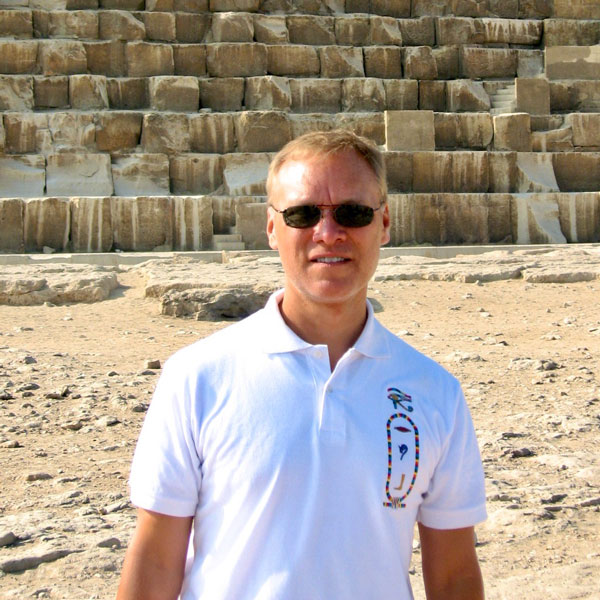
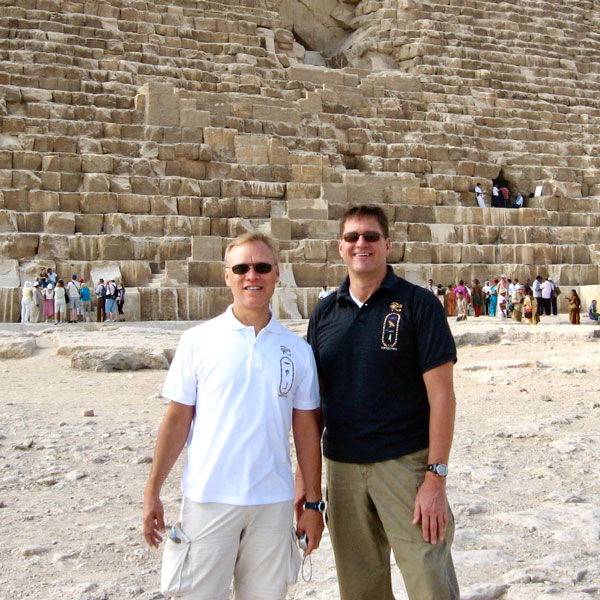
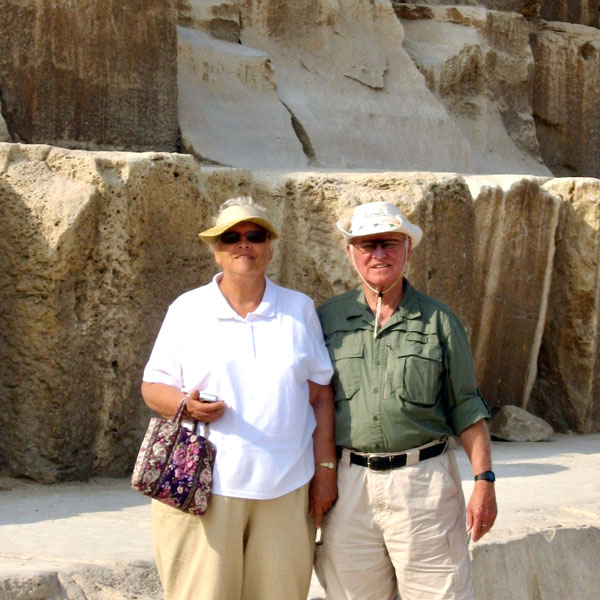
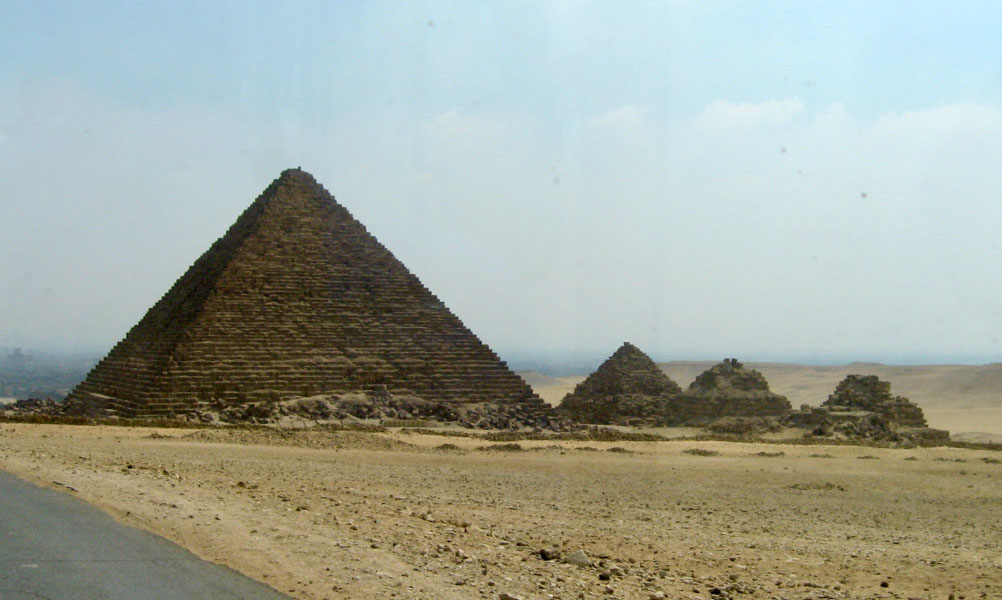
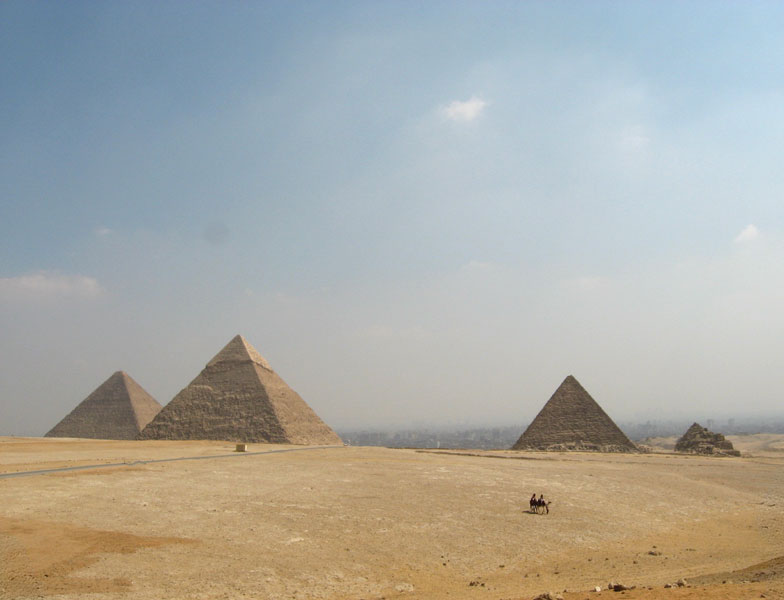
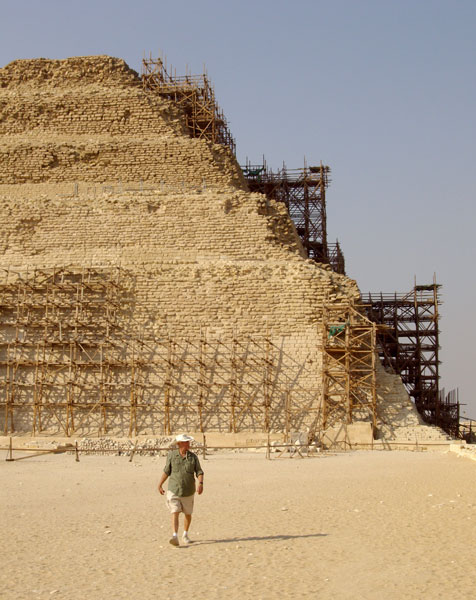
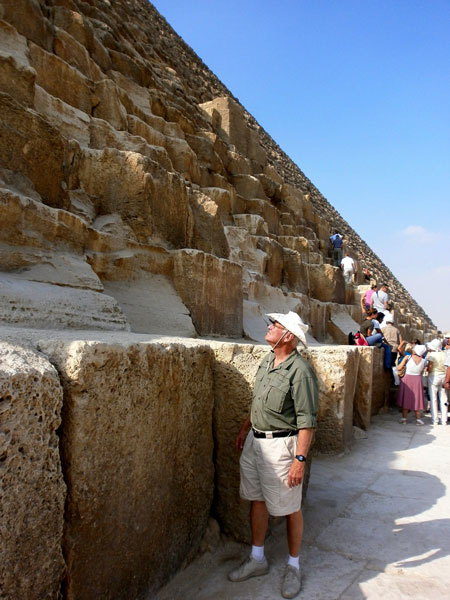
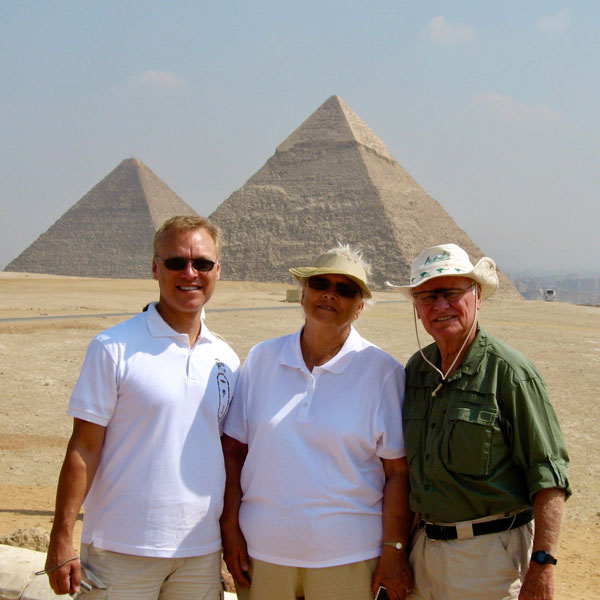
Of the four of us, Rob was the only one brave enough to make the journey up to Khufu’s burial chamber in the heart of the Great Pyramid. Following what had once been a looter’s access route, the climb included a tight, sloping passageway that only allowed one individual passage at a time. Definitely not for the claustrophobic! And contrary to what is seen in the Valley of the Kings, there are no hieroglyphic texts, treasures, or mummies in any of pyramids of Giza. Anything of value was plundered long, long ago.
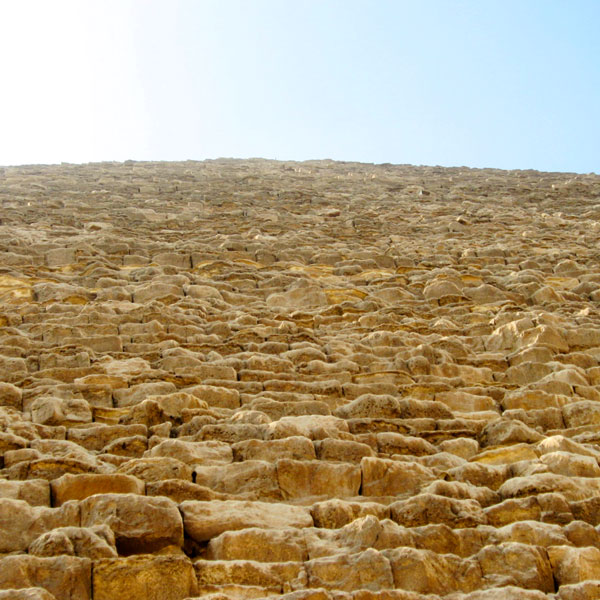
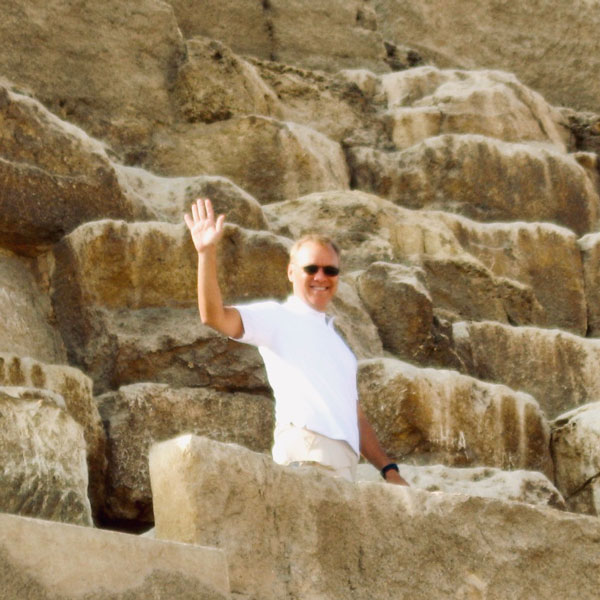
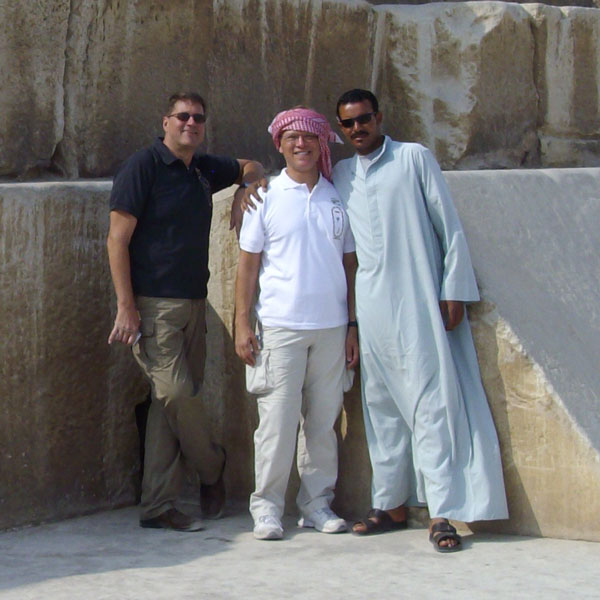
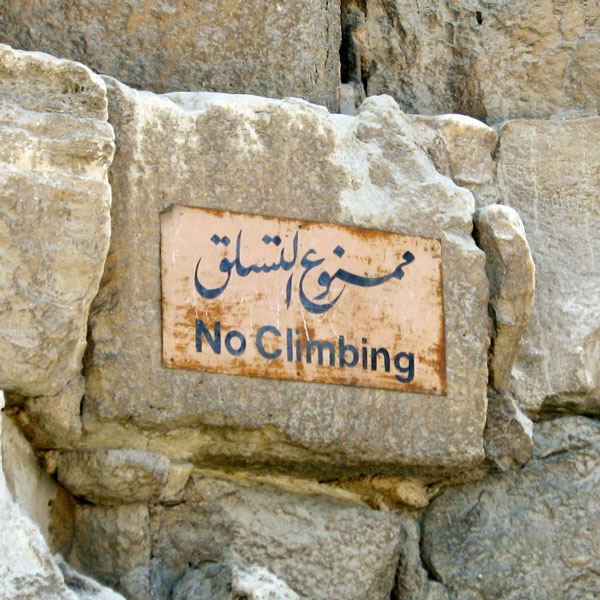
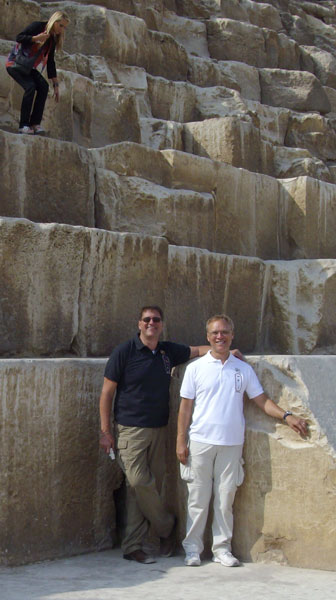
Build it. They will climb it.
Giza Solar Boat Museum
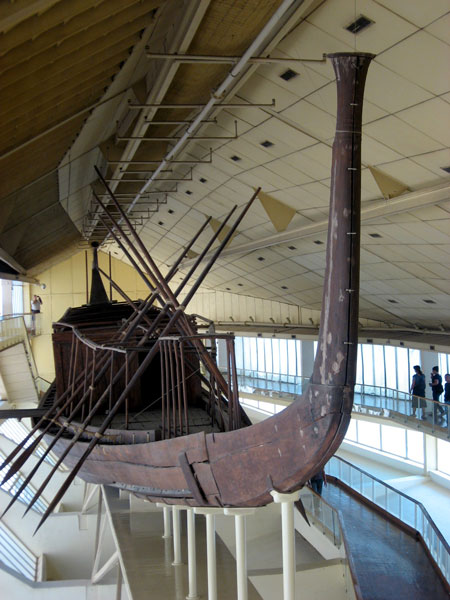
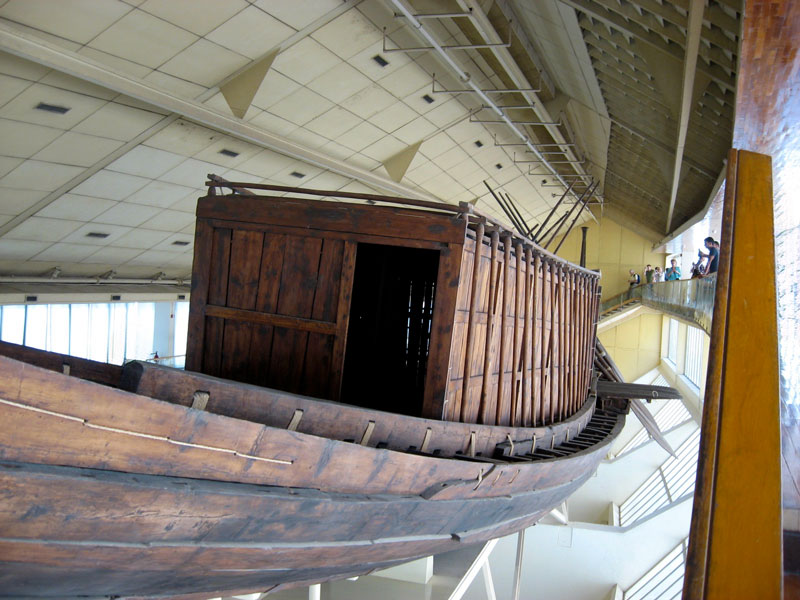
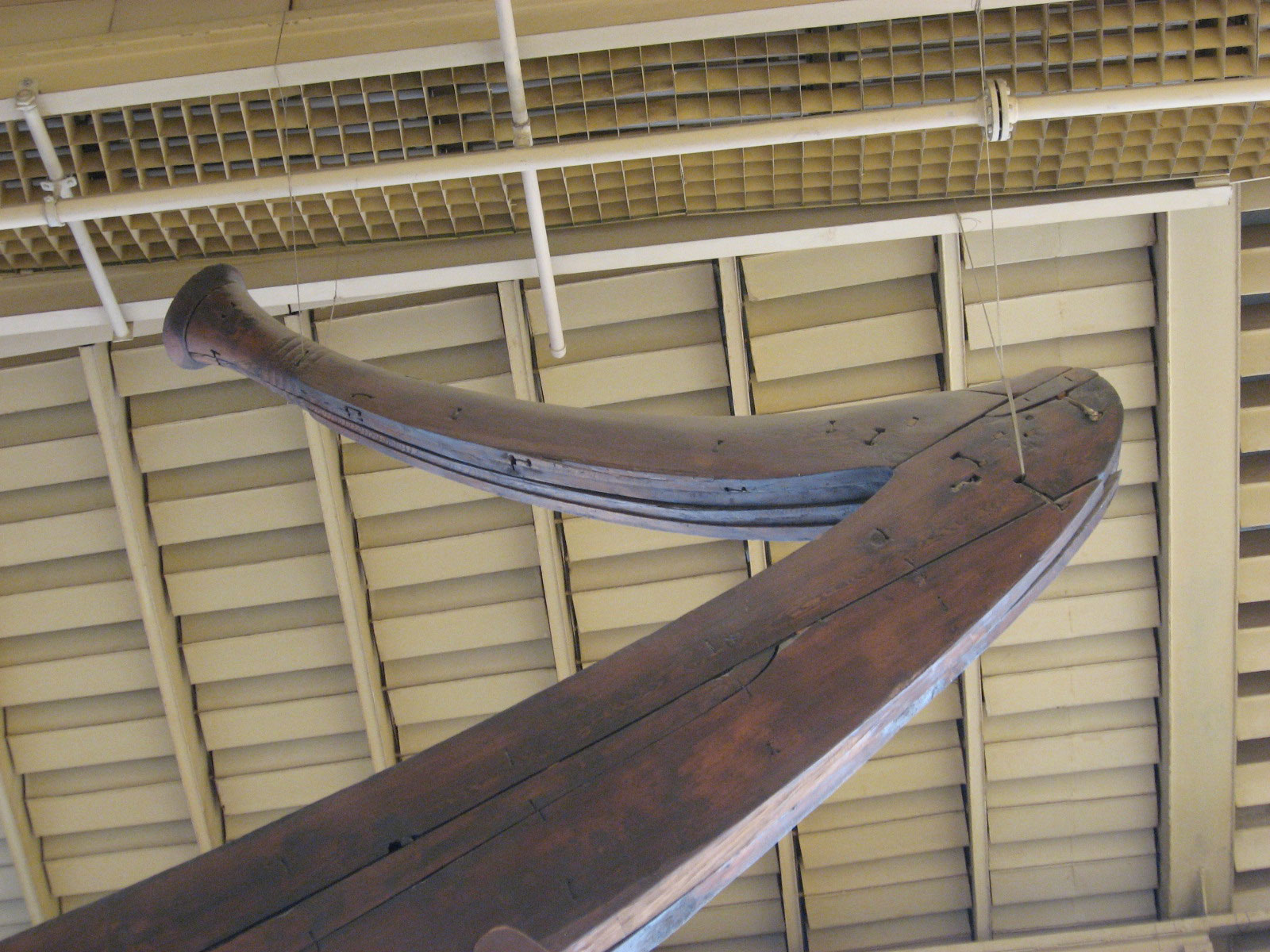
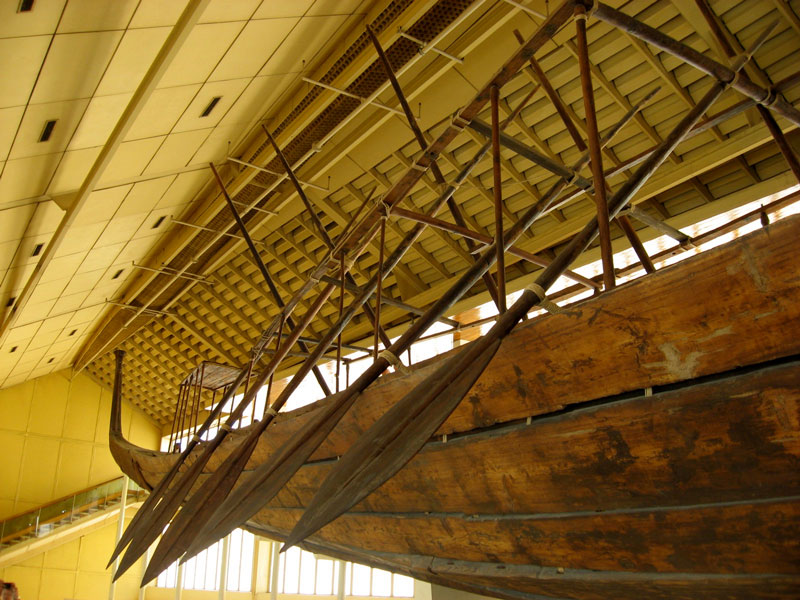
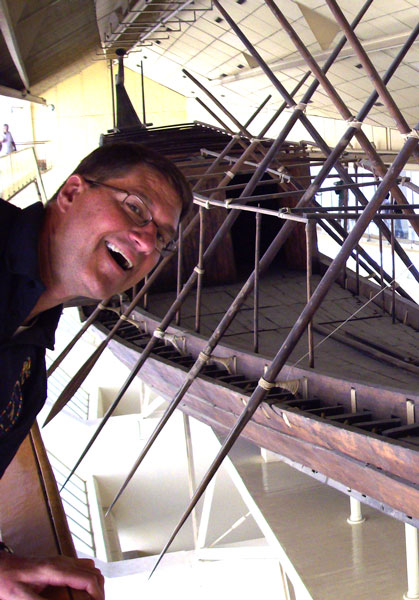
Just a few meters from where it was discovered, in the shadow of the Great Pyramid, is (or was*) a museum displaying the reconstructed solar barge of the pharaoh Khufu. It was buried in pieces to be reassembled for the king’s use in the after life. Once excavated, modern techniques and technologies were used to preserve the cedar structure as it was rebuilt. And the museum was constructed such that the boat could be viewed from three different levels.
* Since our visit, the ship was relocated in 2021 to the Grand Egyptian Museum and the museum building we visited was dismantled.
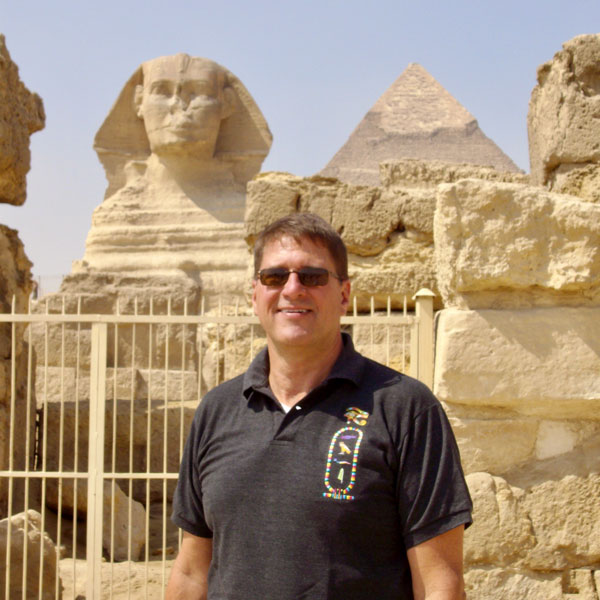
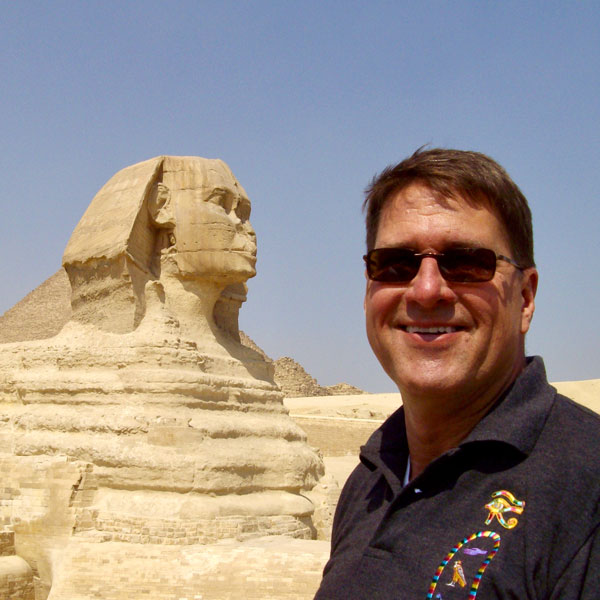
The Great Sphinx of Giza
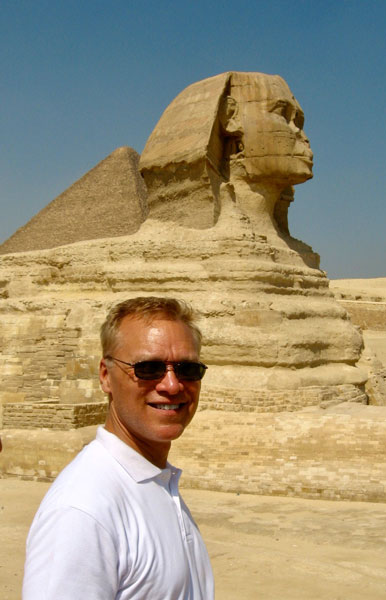
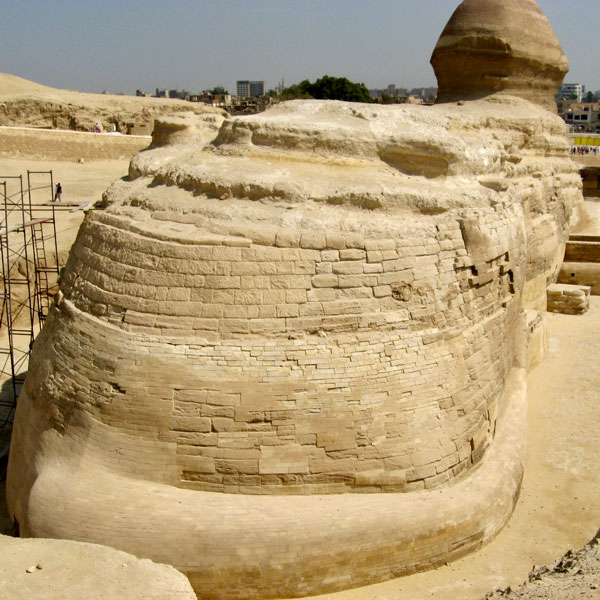
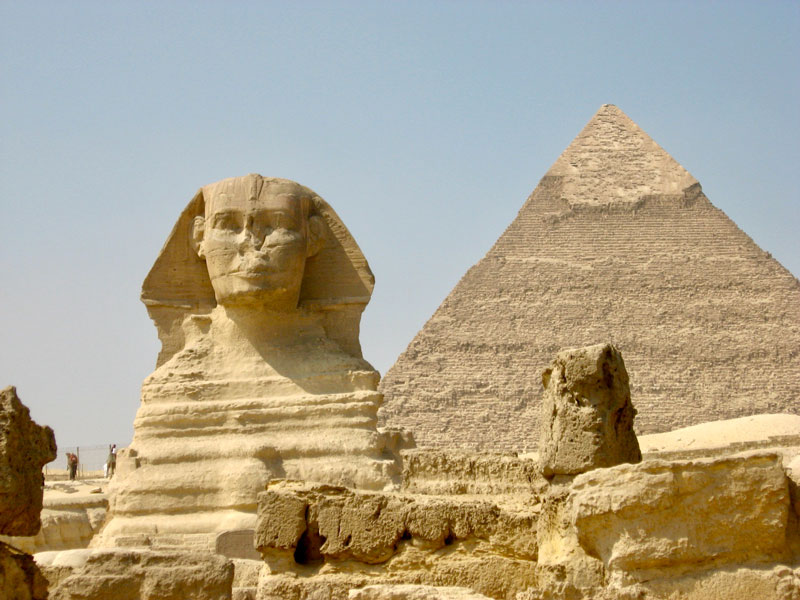
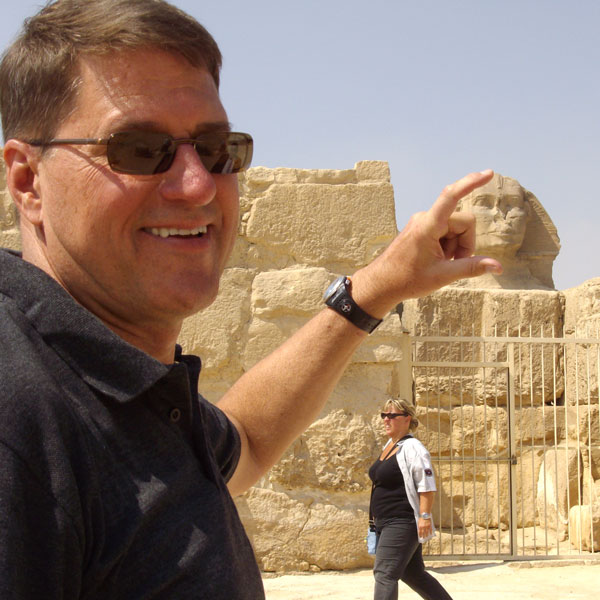
The last of the great monuments on the plateau was the Great Sphinx, a limestone statue of a reclining mythical creature with the head of a human and the body of a lion. The original shape of the Sphinx was cut from bedrock, although some damaged areas have been restored over time with layers of limestone blocks. (See the rump!)
It is the oldest known monumental sculpture in Egypt and one of the most recognizable statues in the world. Evidence suggests that it was created during the reign of Khafre (Khufu’s son) in the mid 2500s BC and it is speculated that the face of the Sphinx is his. And, contrary to popular rumors that the nose was destroyed by either Napoleon’s army or a British regiment using it for target practice, closer examination points to it having been deliberately removed with chiseling tools prior to the 15th century.
Whether it exists to ward off evil, to make offerings to the gods or to represent the Pharaoh’s power and strength, the Sphinx stands as a testament to ancient Egyptian engineering skills and artistry. Still poised and vigilant after thousands of years, it remains the imperious guardian of the Giza necropolis.
Lunch break
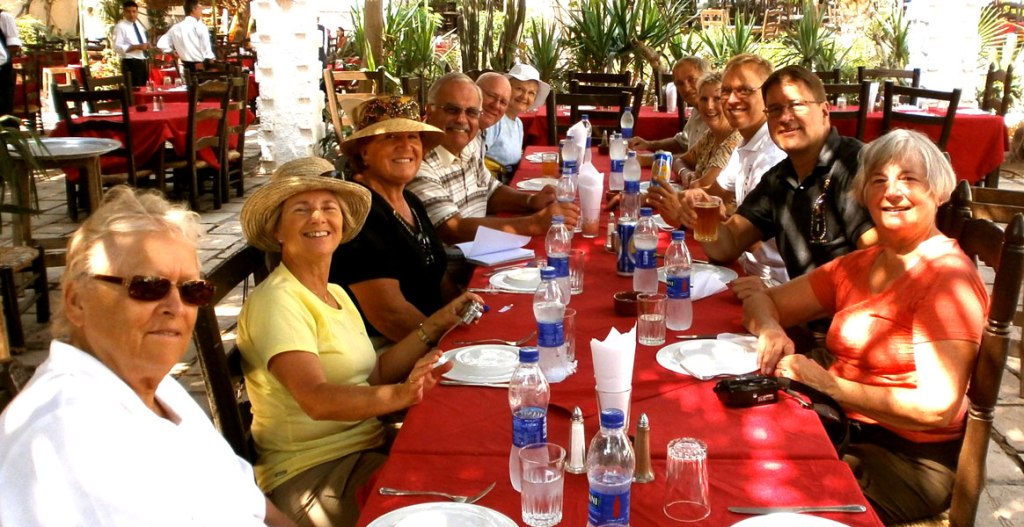
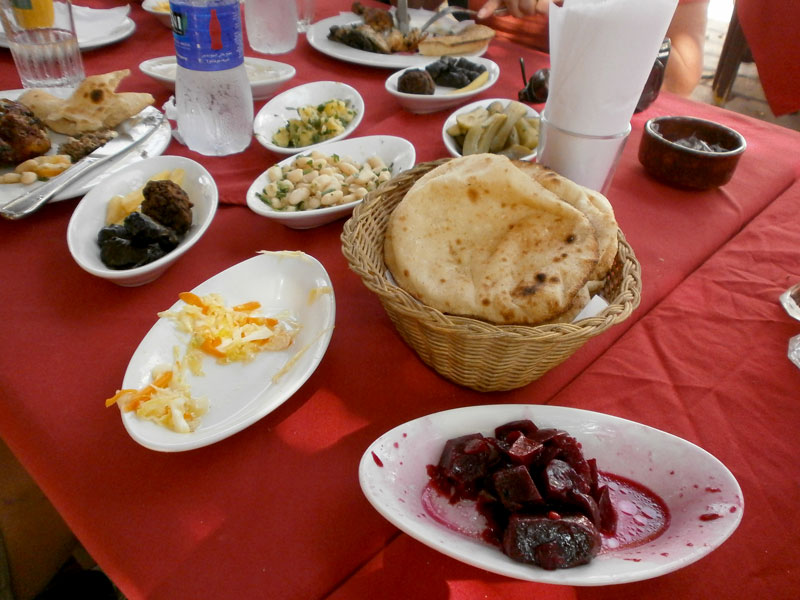
After having been given a sufficient amount of time in the blazing sun to examine the Sphinx outside of its enclosed fencing, we left the Giza necropolis for a shaded lunch break before heading further south to the Saqqara necropolis and its older, stepped pyramid.
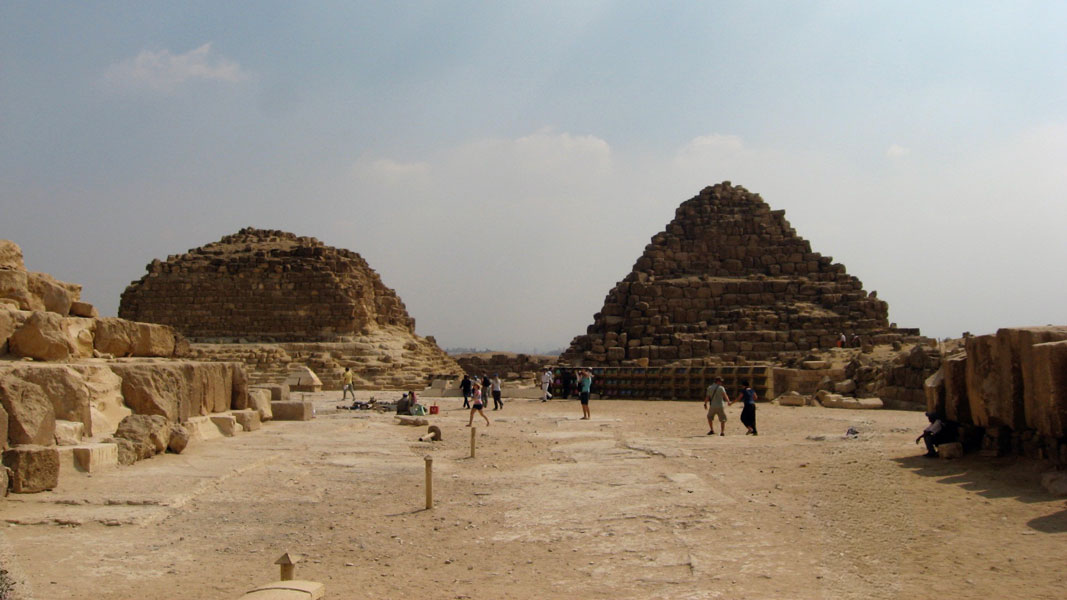
In this region, there were a number of monuments that predated the Giza Pyramids, many found in various degrees of decline after being excavated from the desert. For me, these crumbling, stepped pyramids were like starter tombs that hit their zenith with the Giza monuments.
Of course, before long, the pharaohs realized that these hard-to-miss royal tombs had been looted of their treasures and resident mummies so they moved their burial sites and goodies underground…in the Valley of the Kings.
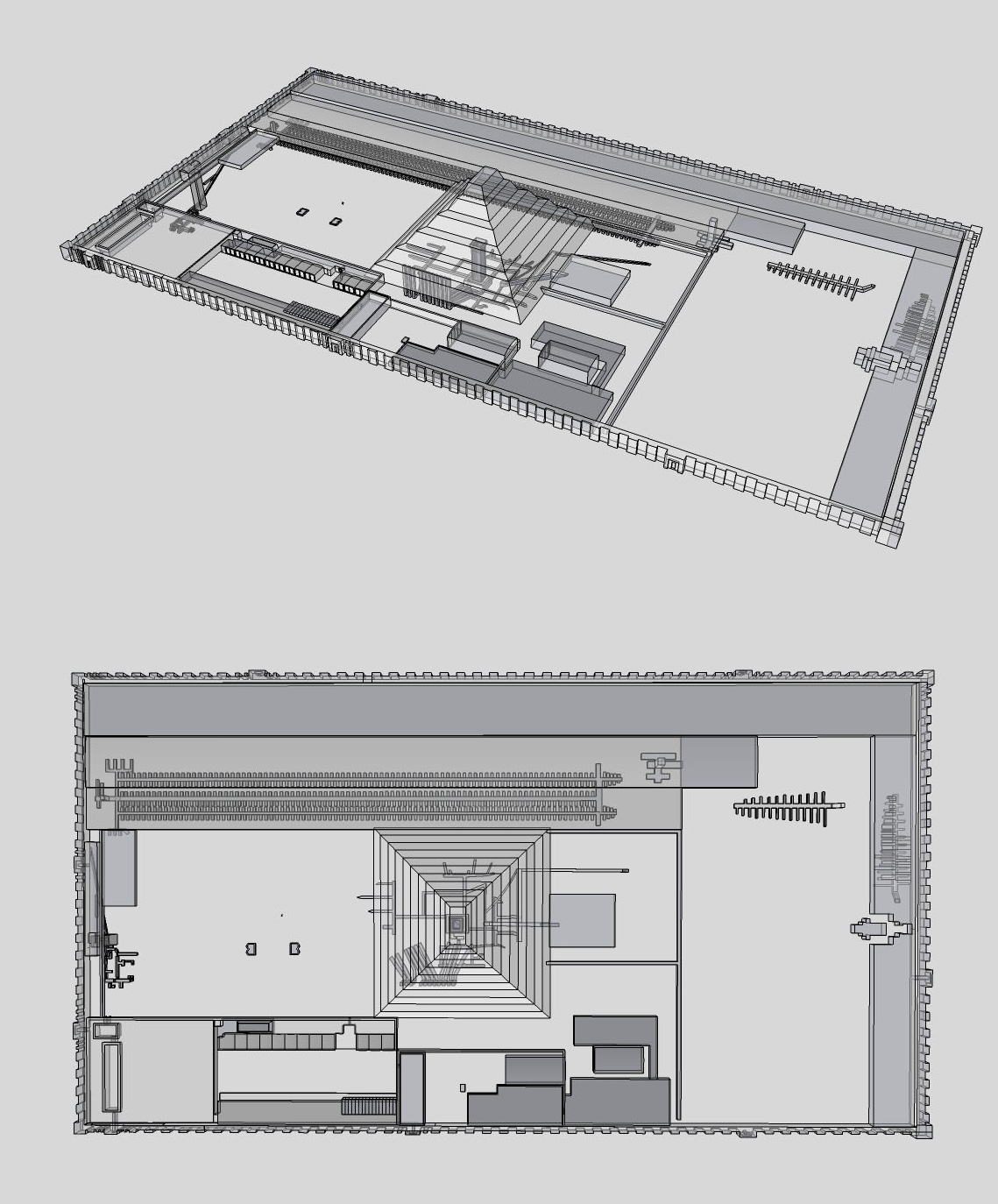
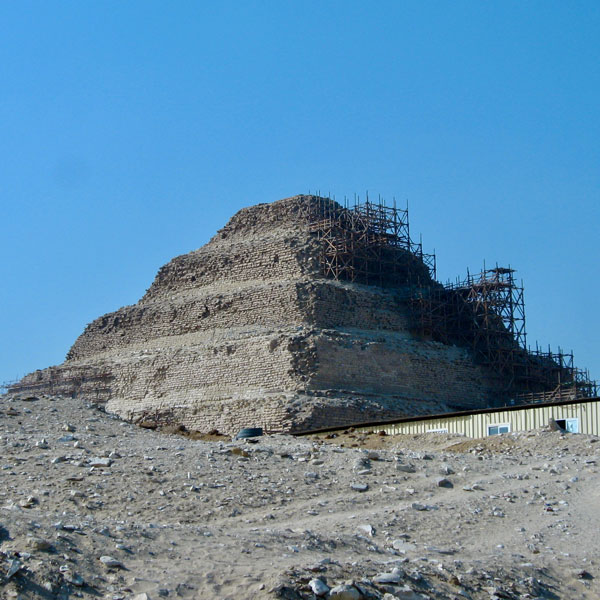
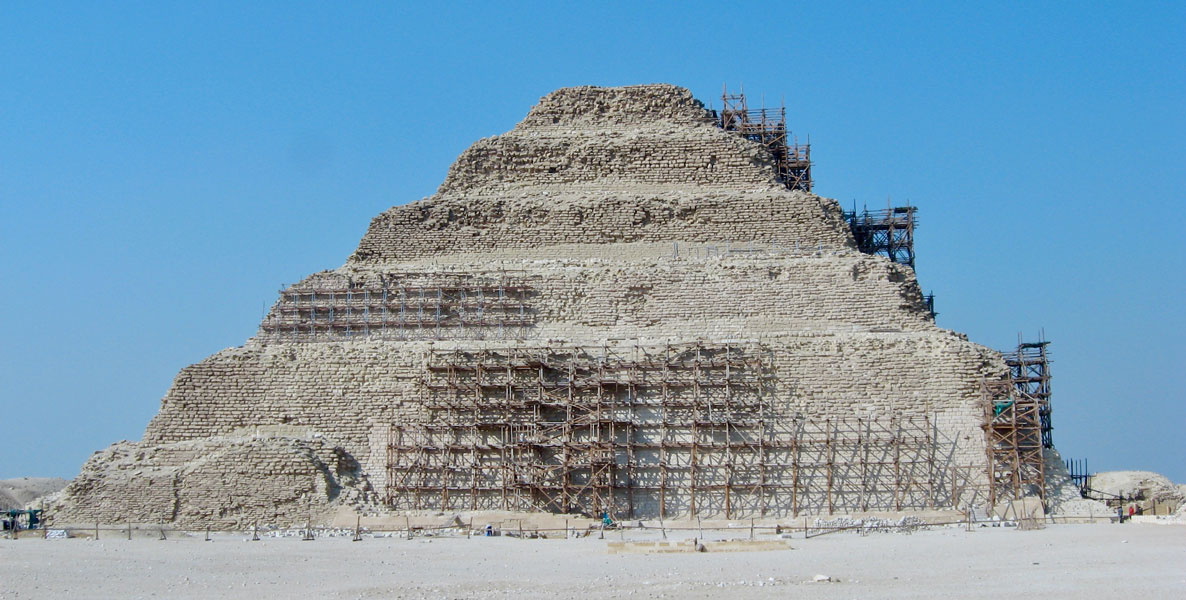
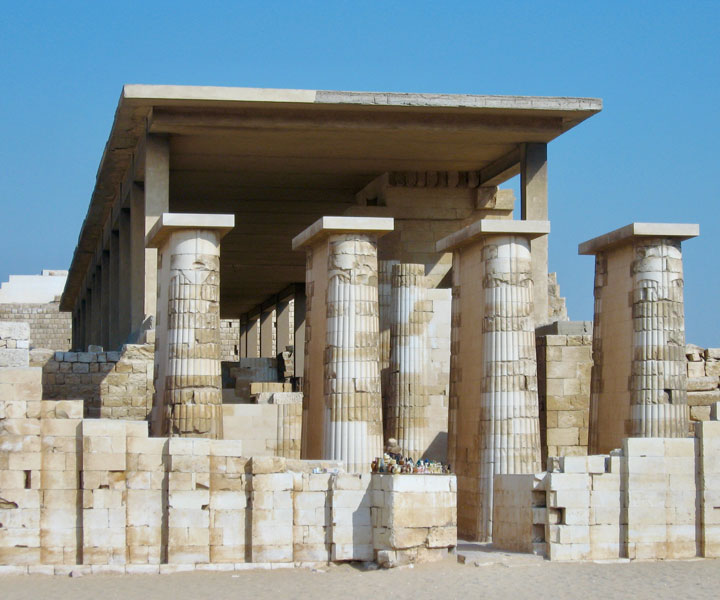
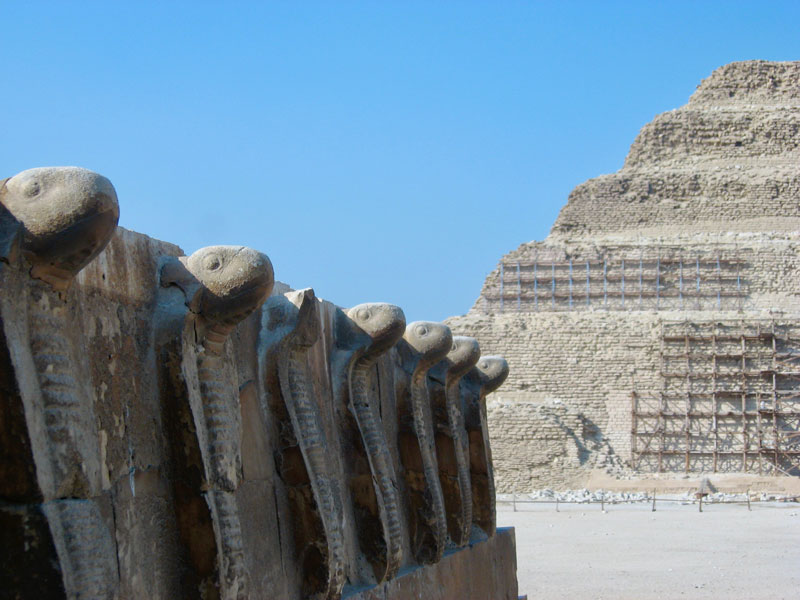
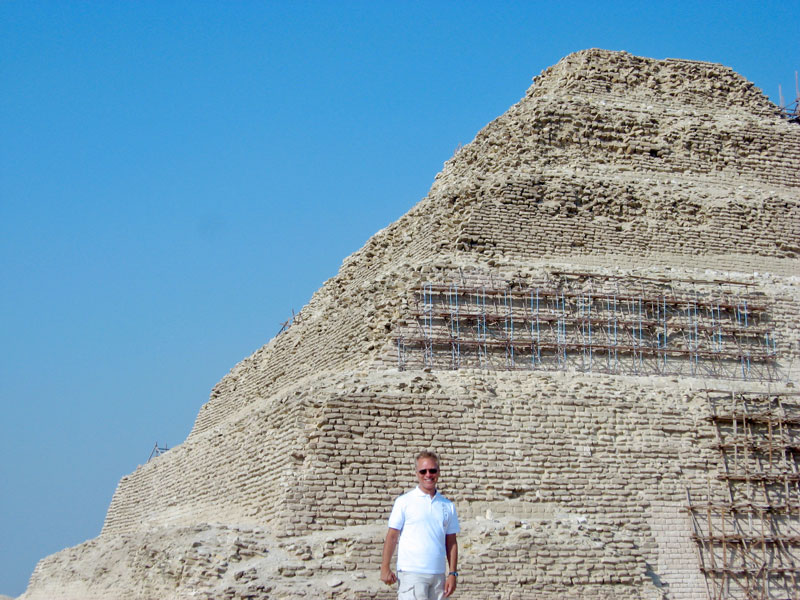
The highlight here is the Step Pyramid of Djoser, an archaeological monument in the Saqqara necropolis northwest of the ruins of Memphis. It was the first pyramid to be built. The 6-tier, 4-sided structure is the earliest colossal stone building in Egypt. It was built in the 27th century BC during the Third Dynasty for the burial of Pharaoh Djoser. The pyramid is the central feature of a vast mortuary complex in an enormous courtyard surrounded by ceremonial structures and decoration.
That wrapped up an exhausting day. Of course, we traveled back in time several millennia, so to speak. And who wouldn’t be tired as Anubis at a squirrel farm after that. But, with the pyramids and the Sphinx under our belts, the Egyptian checklist was complete.
 Egypt
Egypt 