
Day 3
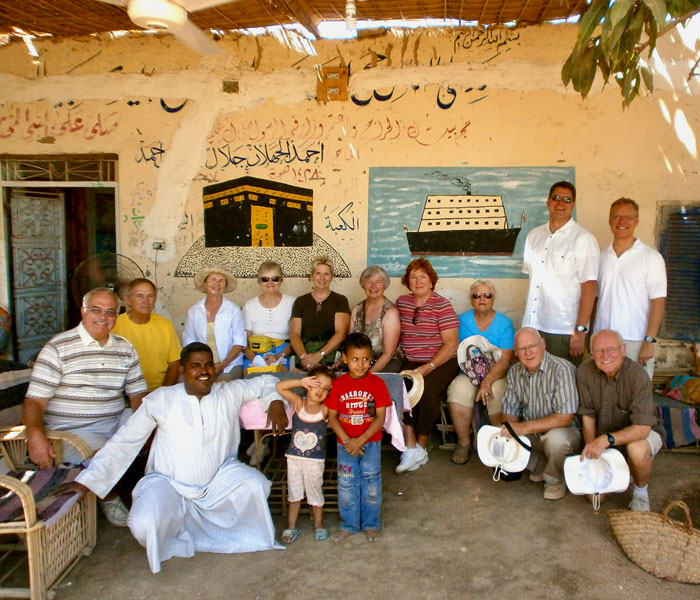
Visiting a farm on the West Bank.
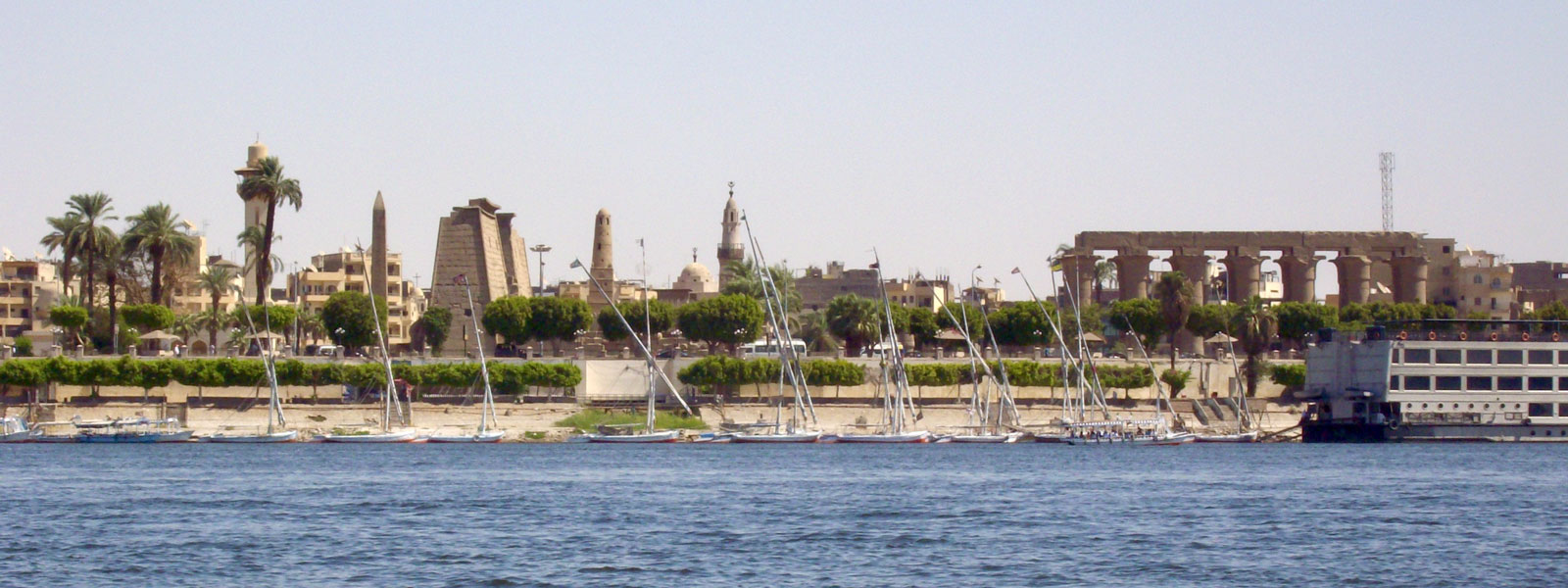
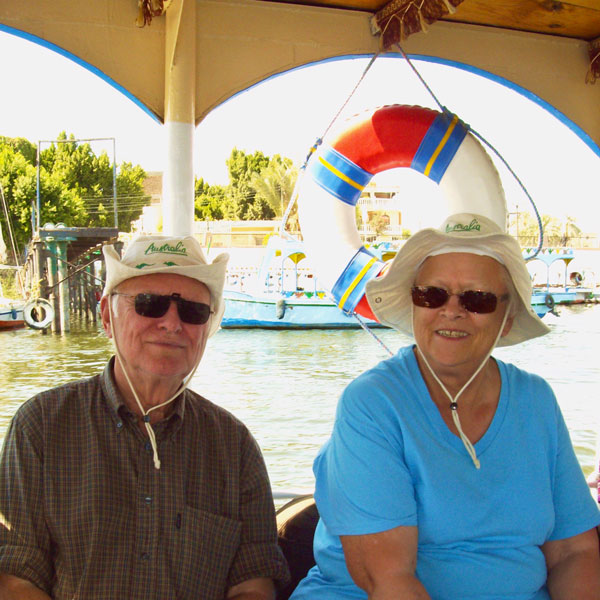
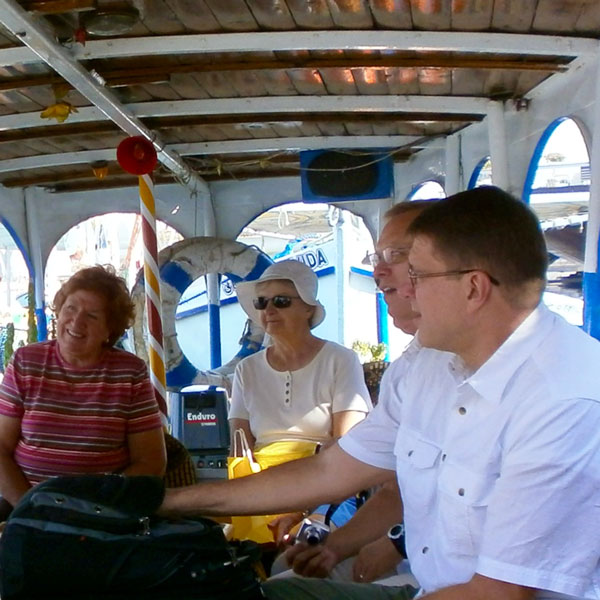
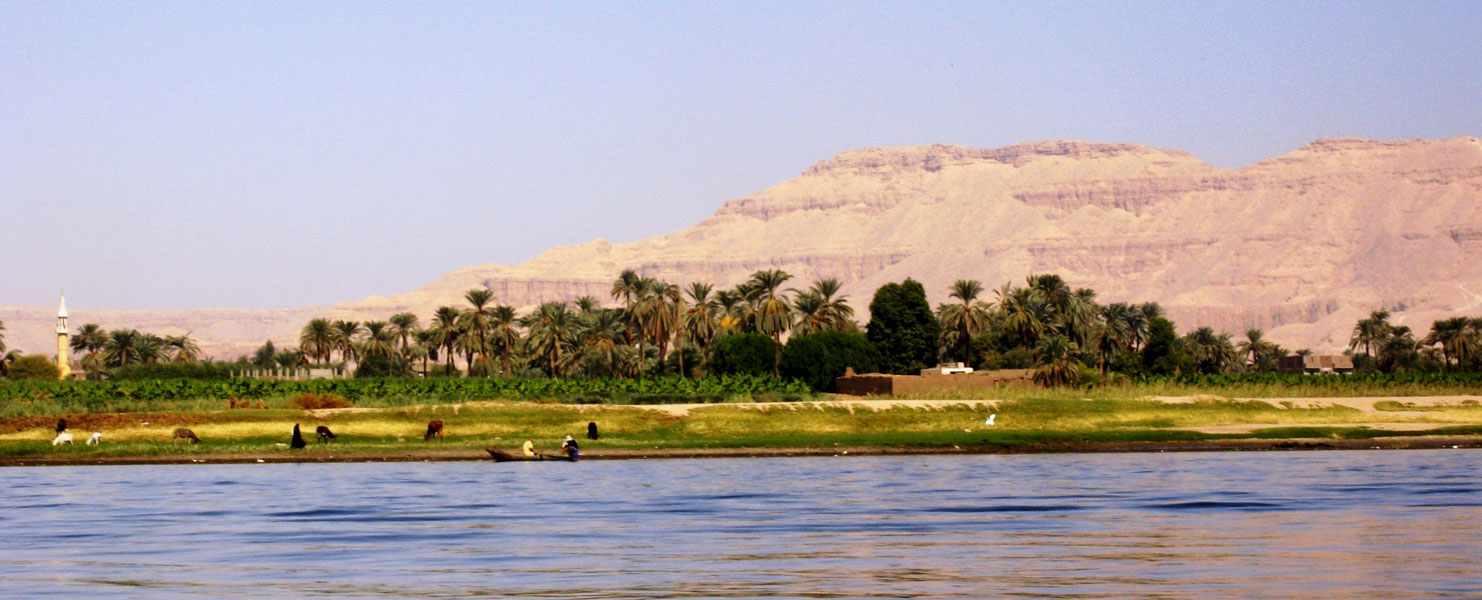
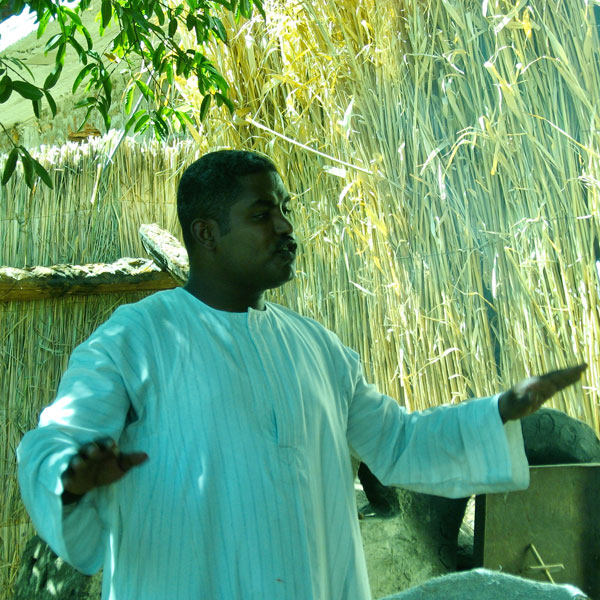
After crossing the Nile, we all gathered al fresco before the decorated home of a local farmer. Our host spoke at length about a Nile farmer’s life while his wife, with the assistance of one of our group, baked bread in an outdoor oven for us to taste.
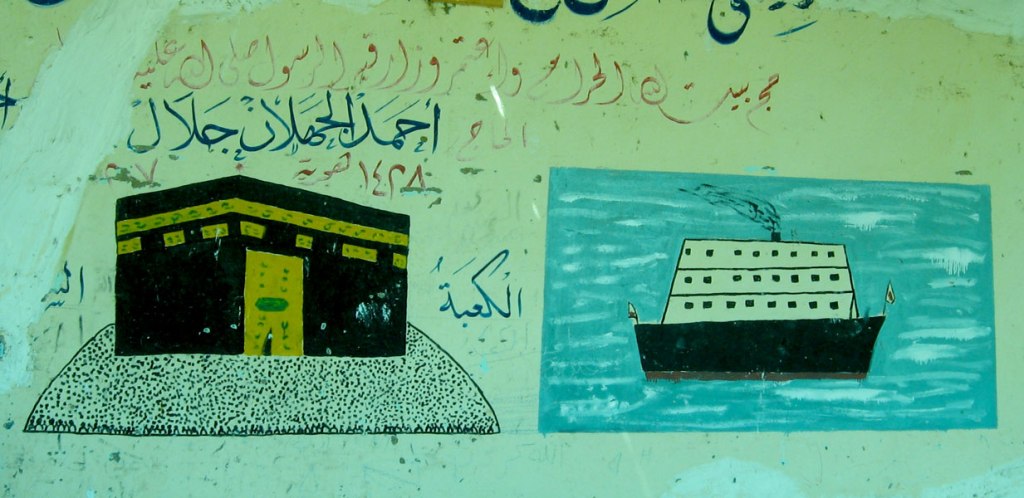
In explanation, the wall paintings on the house are there to inform the world that the occupant has made a hajj (pilgrimage) to Mecca, one of the five pillars of Islam. The black building depicted is the Kaaba, the holiest of Islamic shrines, in Mecca.
Lunch on the West Bank
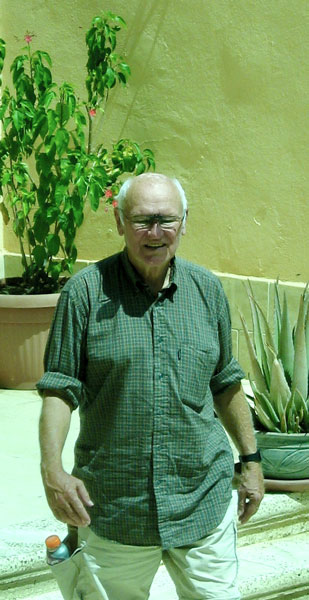
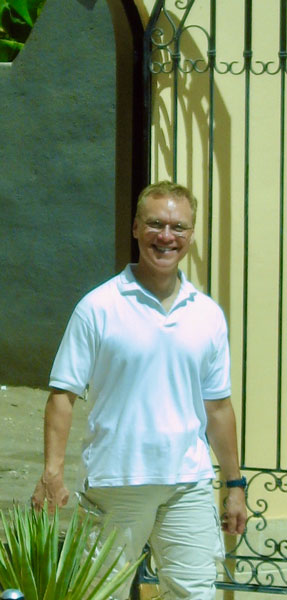
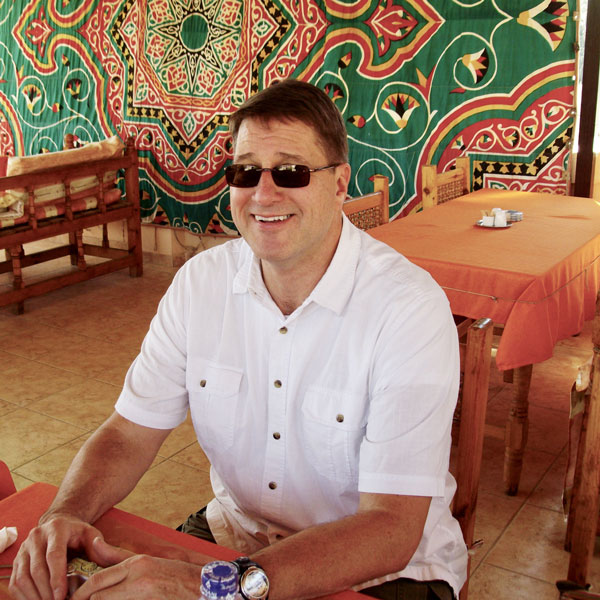
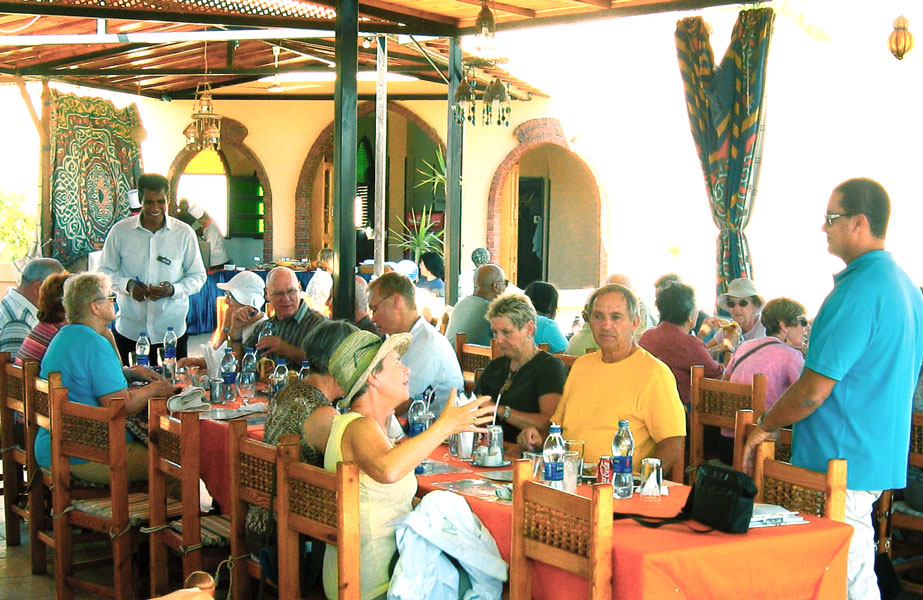
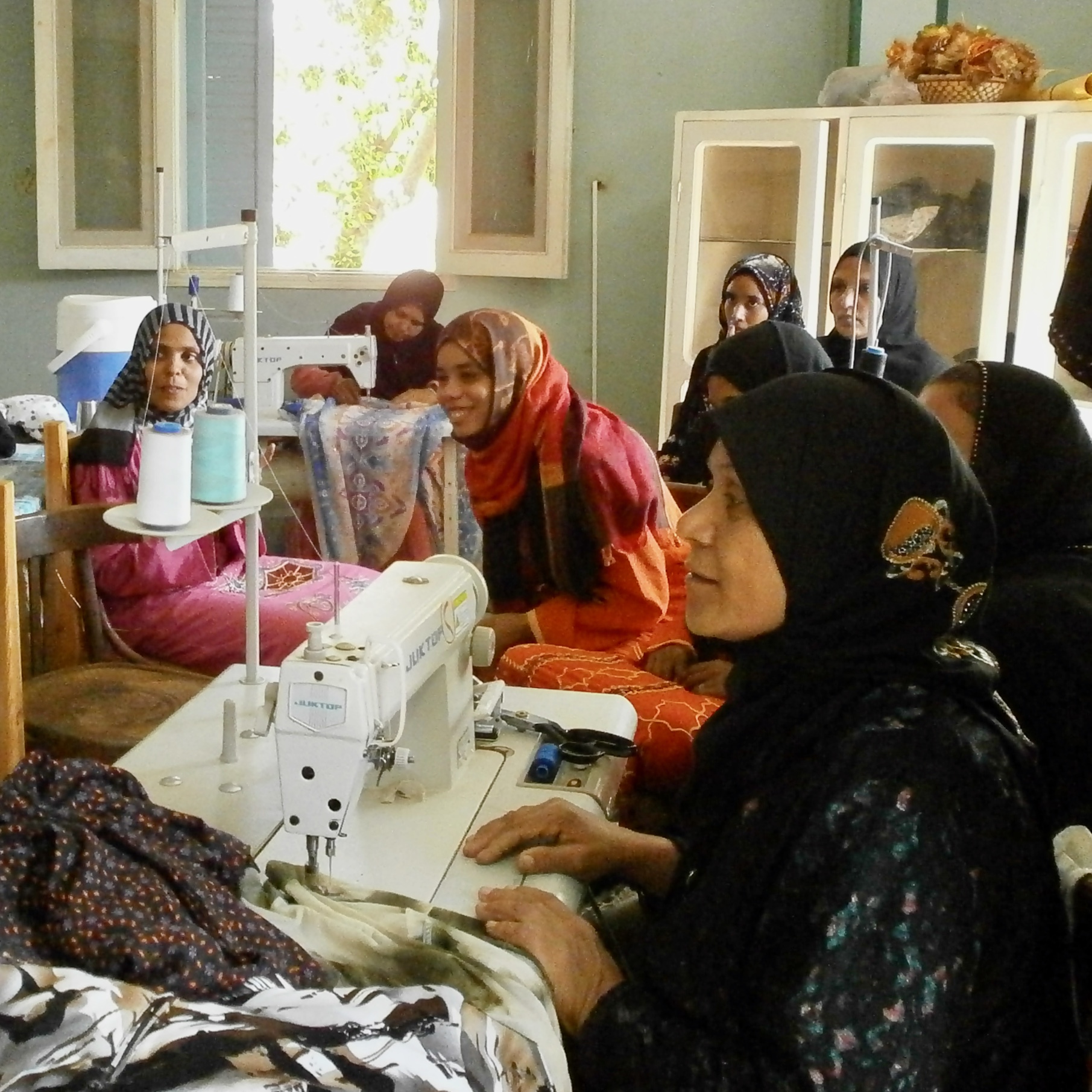
After lunch, we returned by boat to the East Bank and a brief visit to a local workshop. As a company, Grand Circle, through its Foundation, “gives back” to the world they travel by supporting over 100 schools and organizations in 59 countries. Here in Luxor, we visited a home-grown sewing co-op established for local Egyptian women to work at and earn a living. I believe, among other things, the GCF donation enabled the purchase of new sewing machines for the enterprise.
Luxor Temple
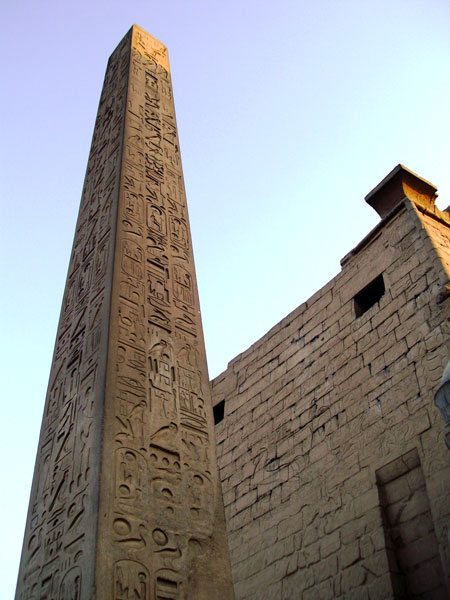
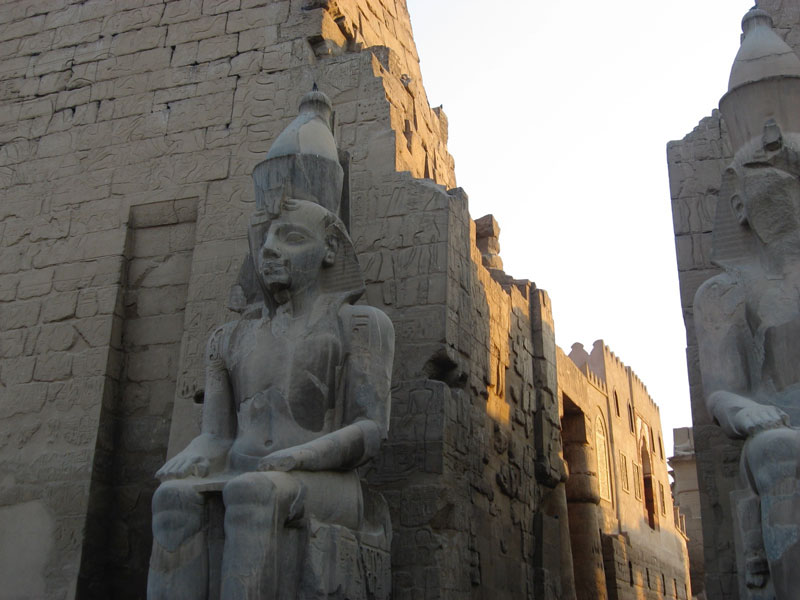
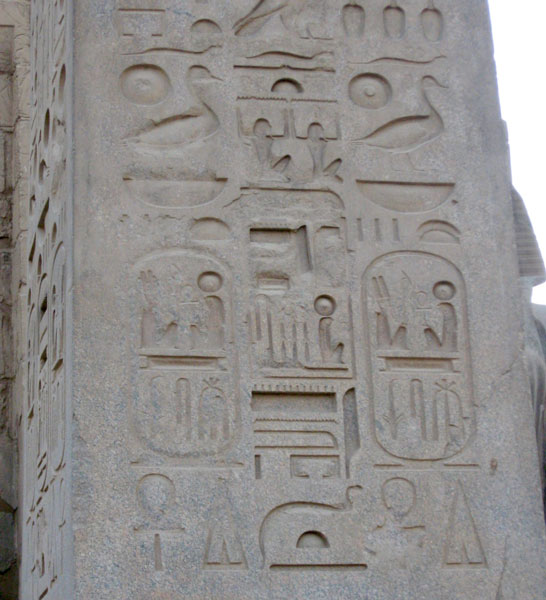
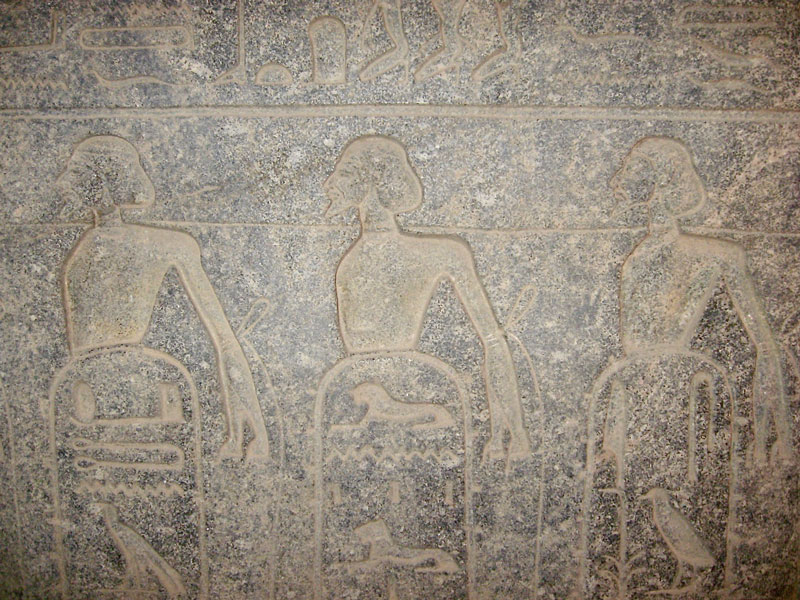
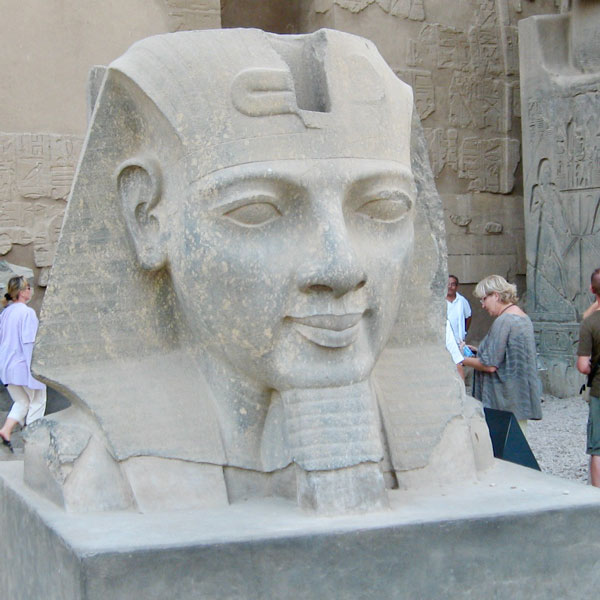
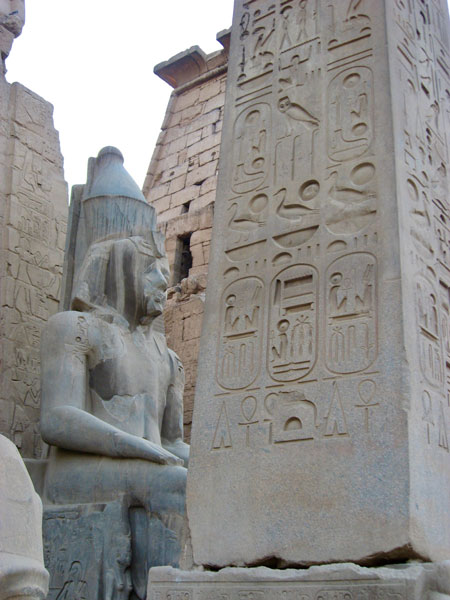
There are two great temple complexes in the city proper. Today, we visited the smaller of them, the Luxor Temple.
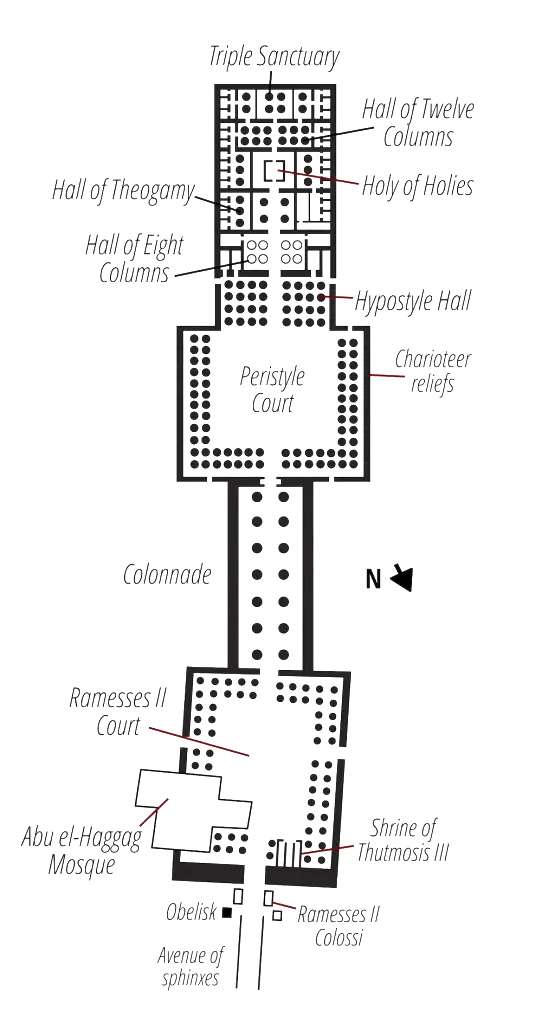
As can be seen in the adjacent ground plan, there is an active mosque occupying part of the Ramses II Court. The mosque was established on the site of a demolished Coptic Christian basilica built more than two centuries earlier. All told, this adds up to 3,400 years of continuous religious use here, making the Luxor Temple the world’s oldest building still (partially) used for religious purposes.
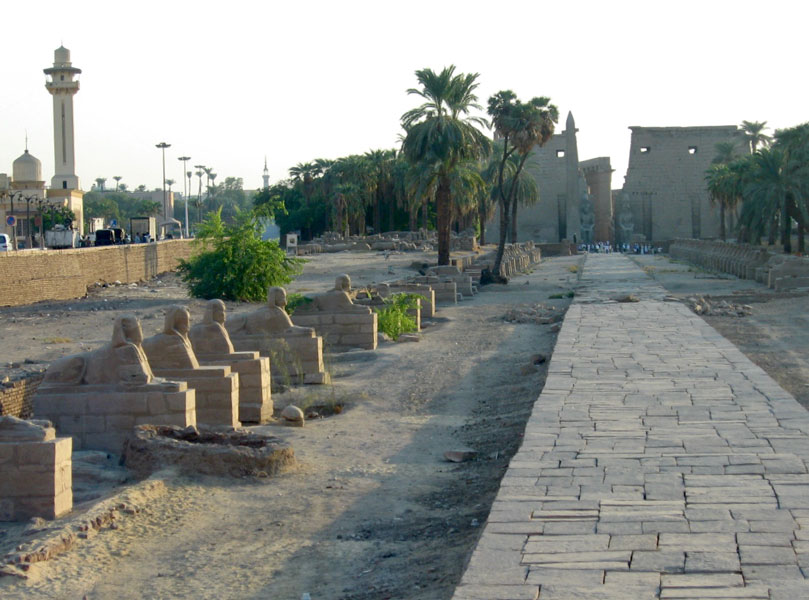
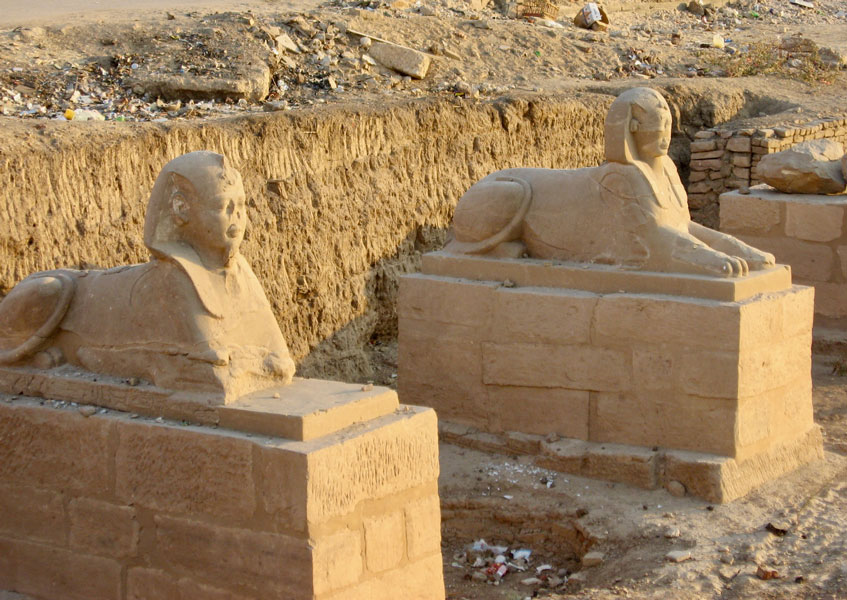
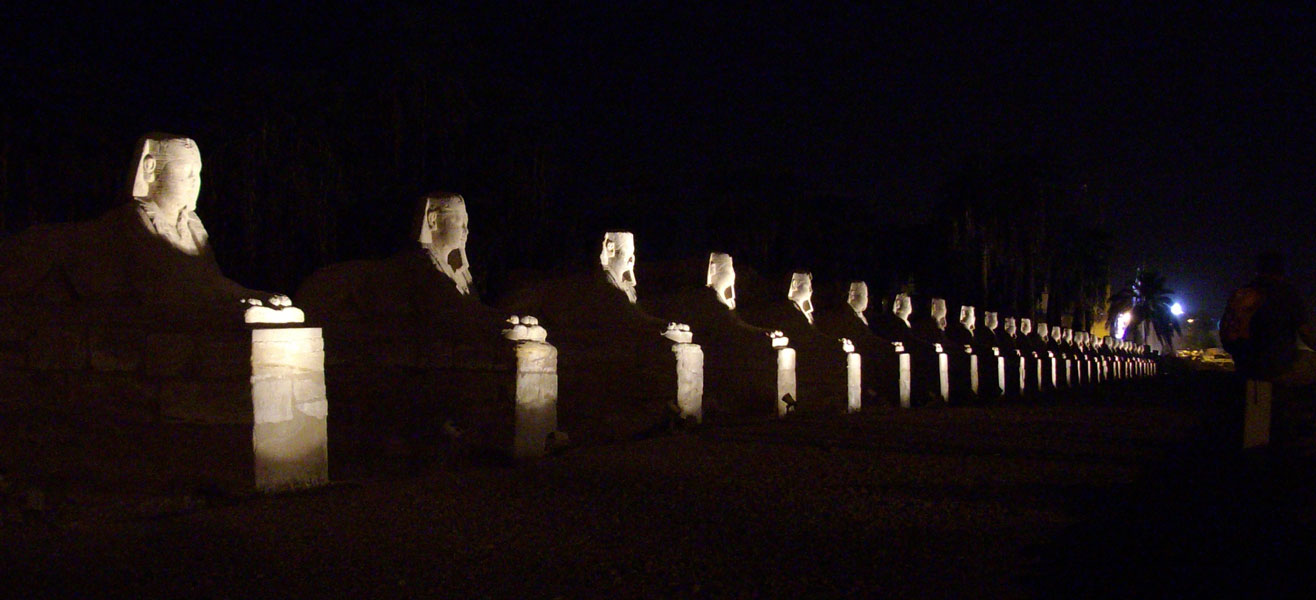
Leading up to the temple’s precinct is a ceremonial stone walkway that, in its day, was lined with sphinxes. (I promised you more did I not, MDR?) And while there are gaps in their orderly array, it still stands as an impressive display of pharaonic power.
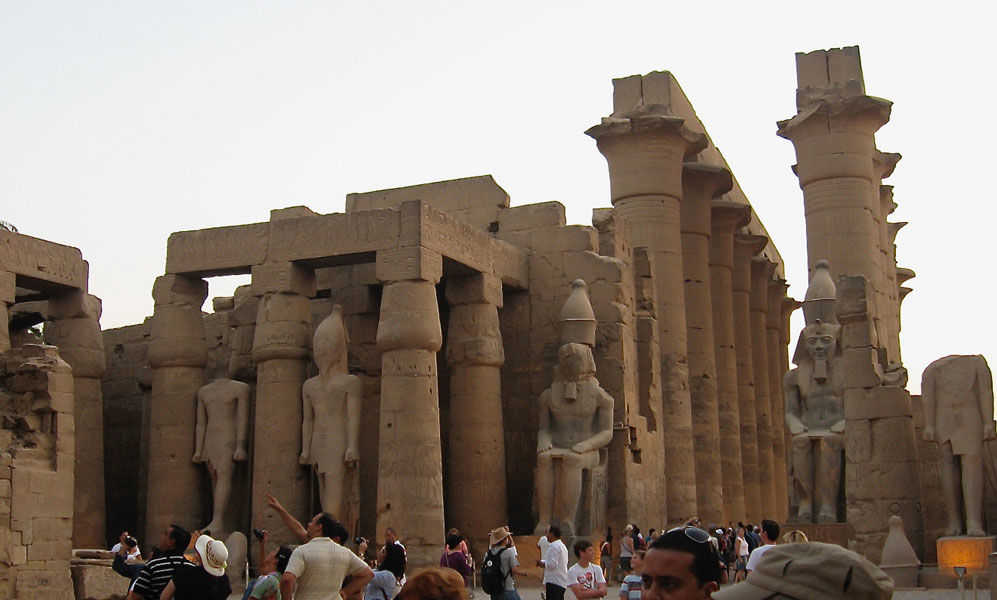
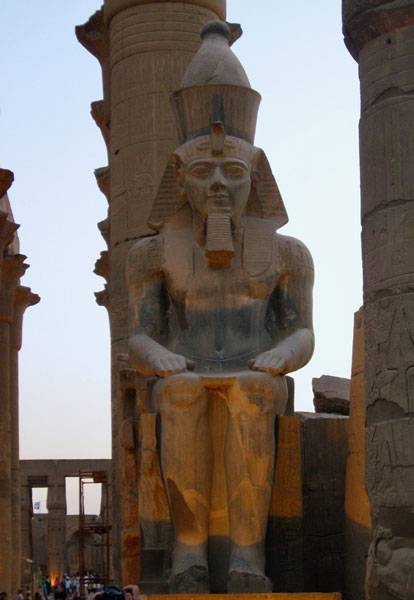
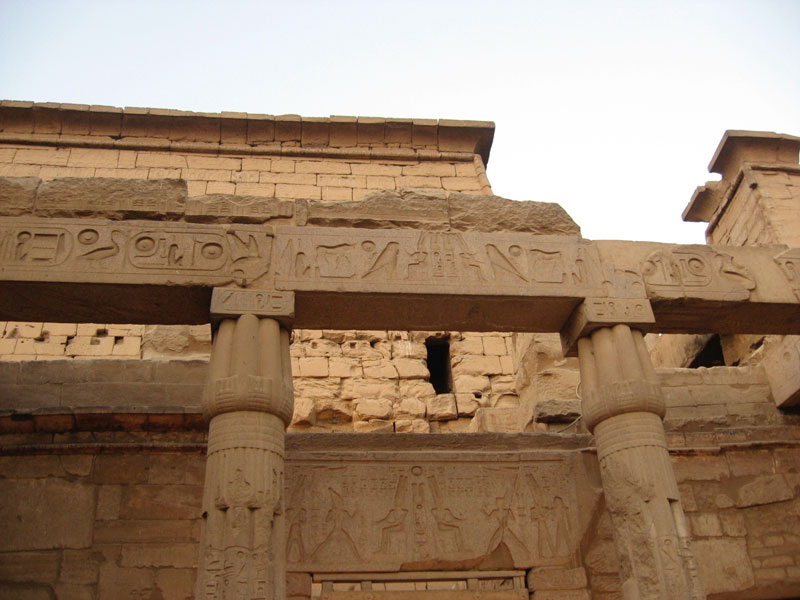
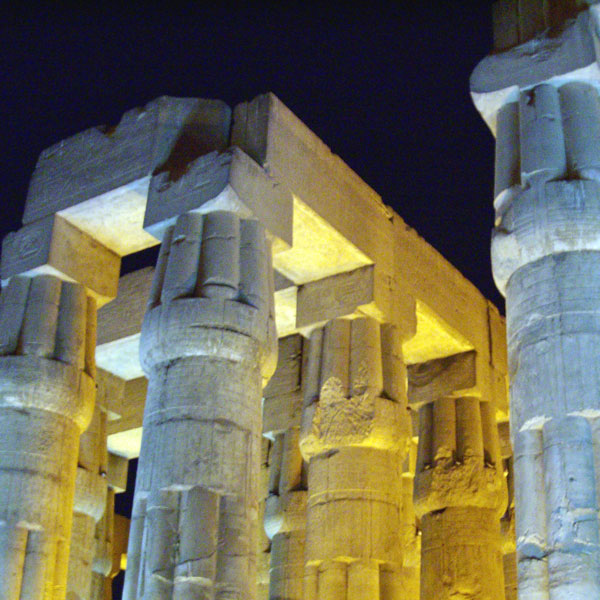
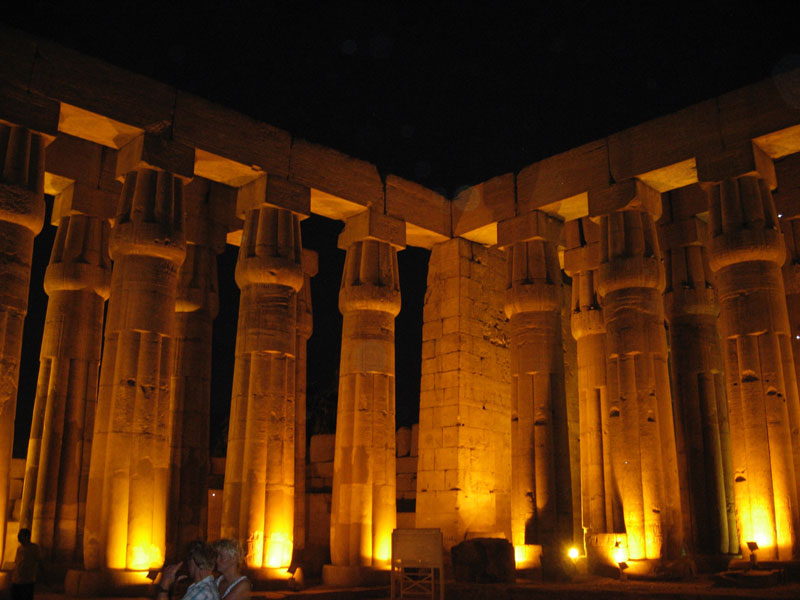
Luxor Temple after sunset
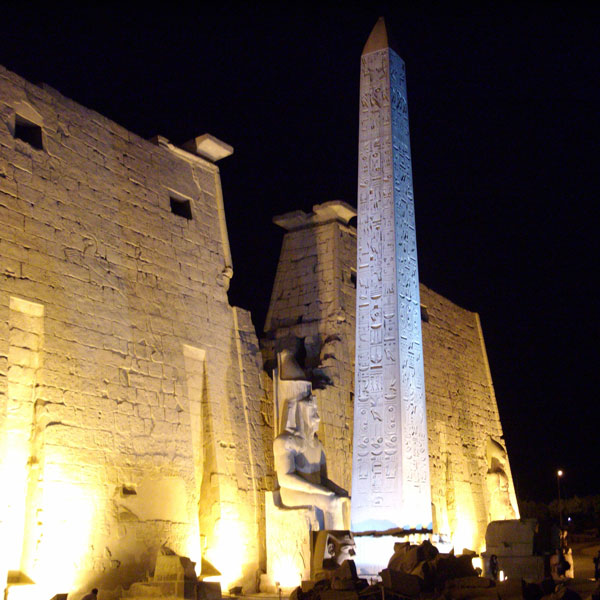
 Egypt
Egypt 