
Day 4
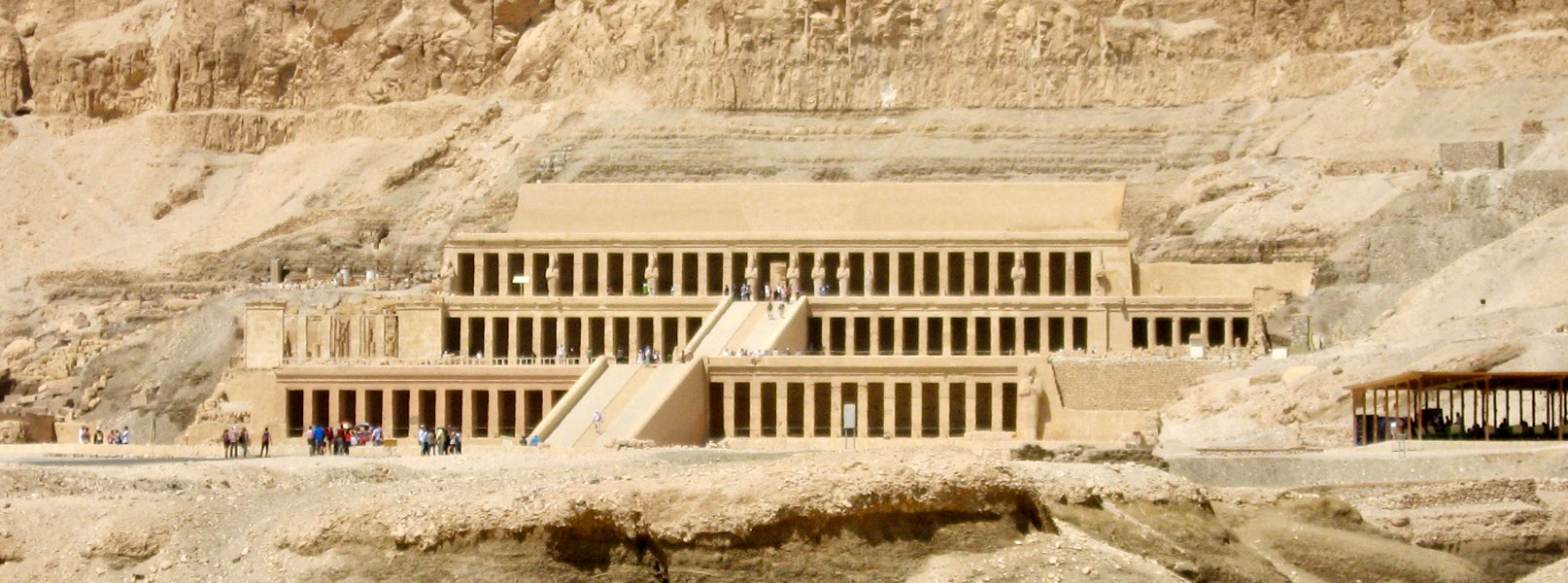
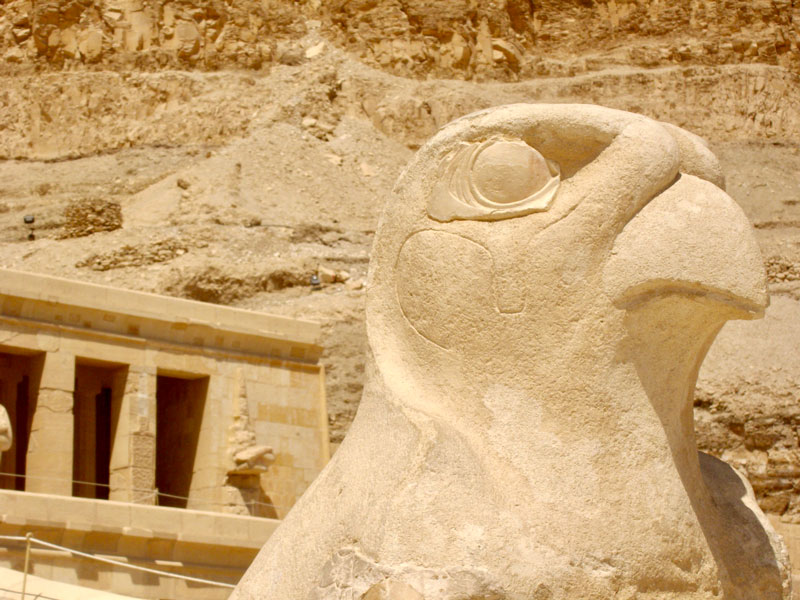
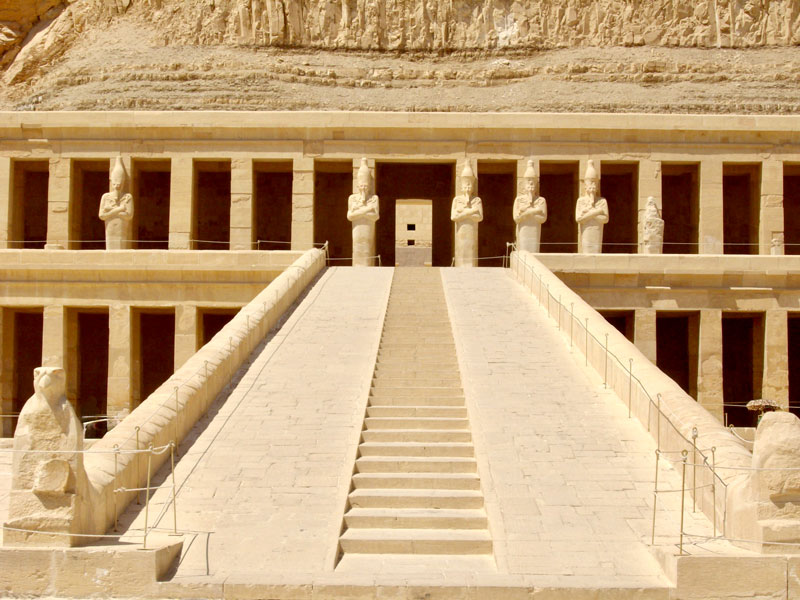
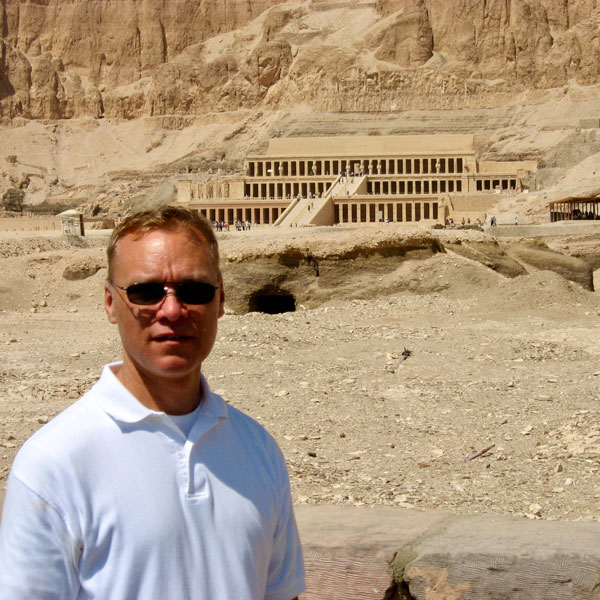
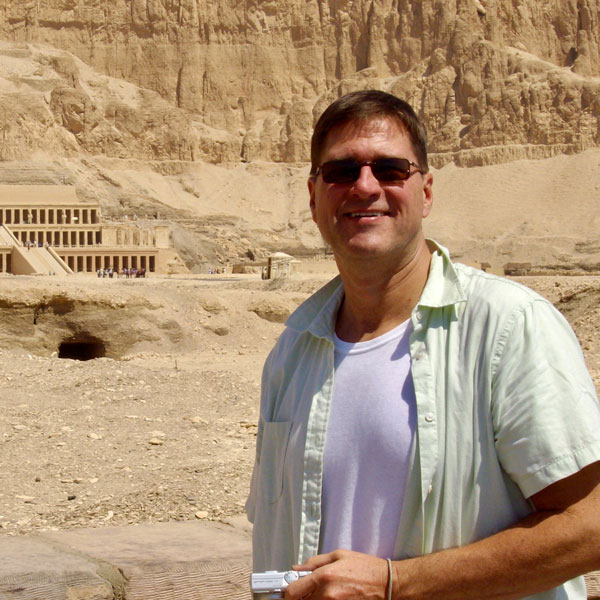
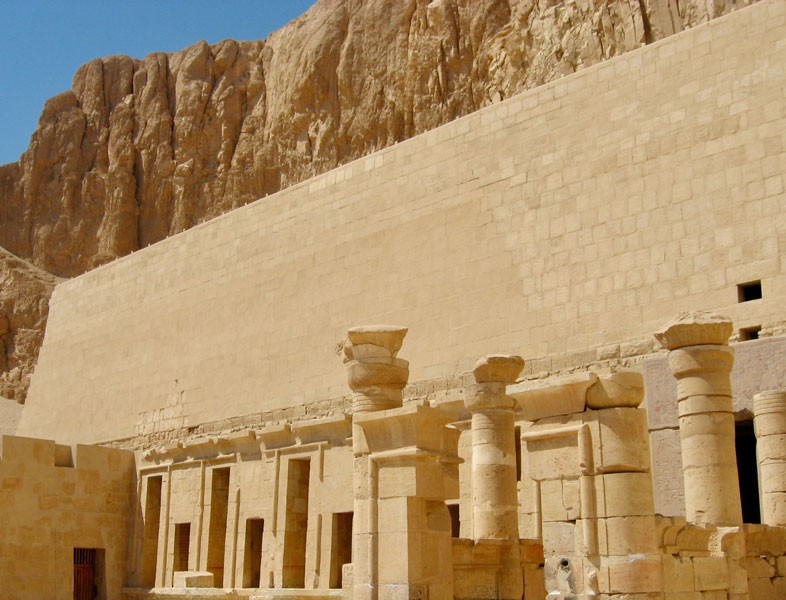
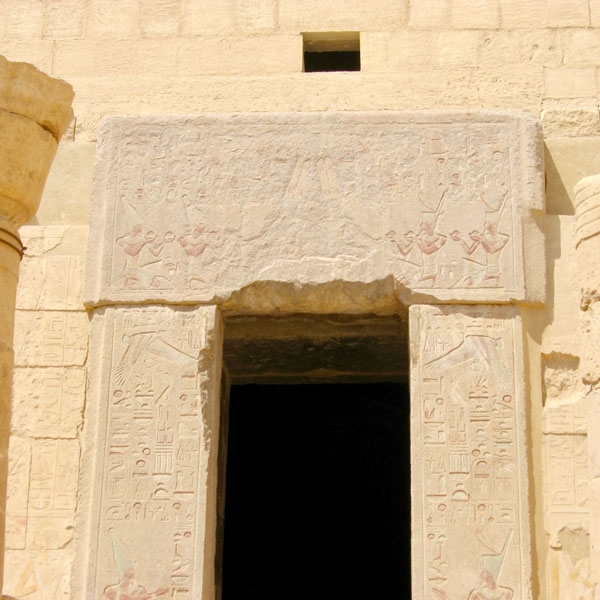
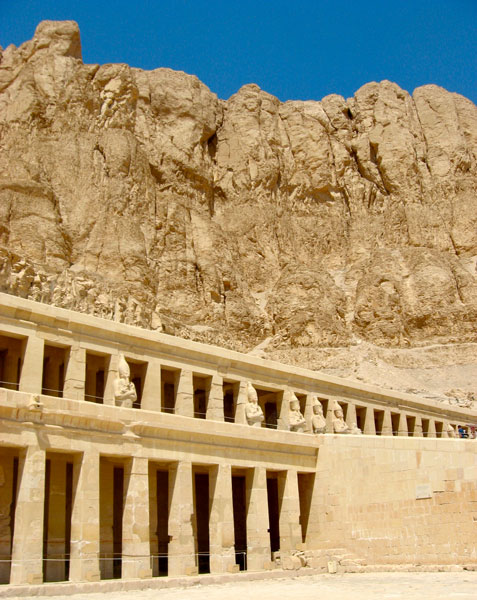
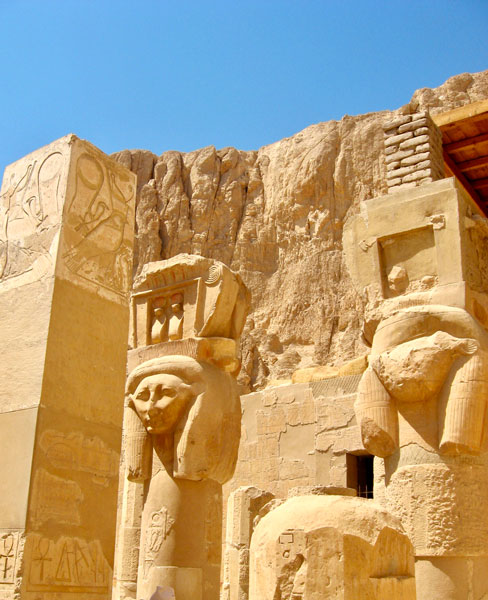
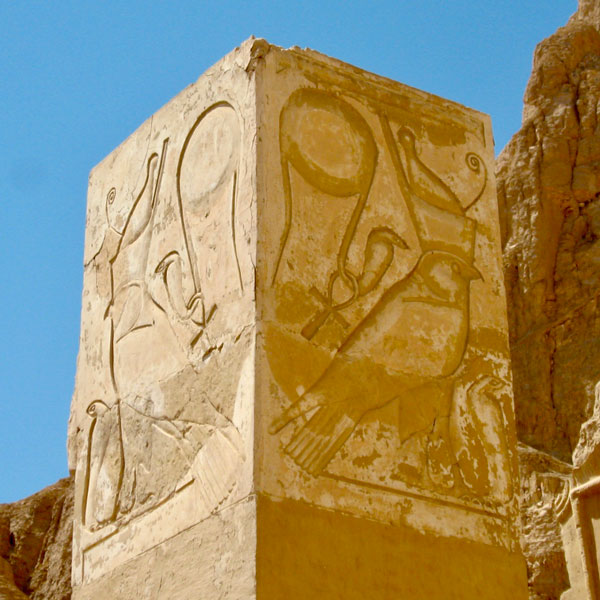
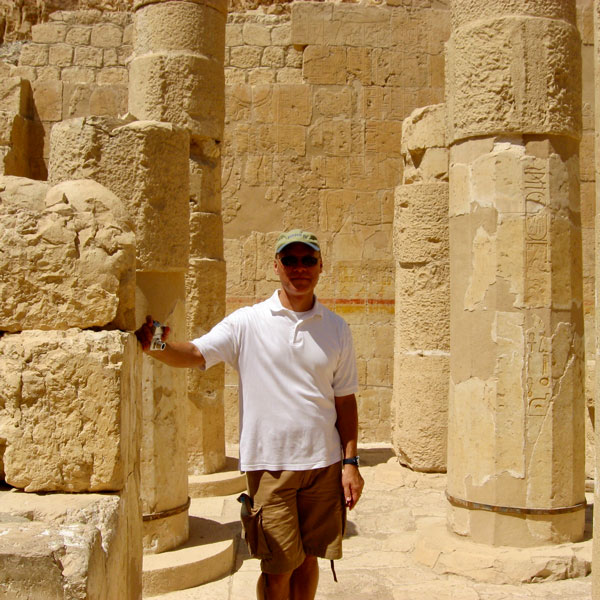
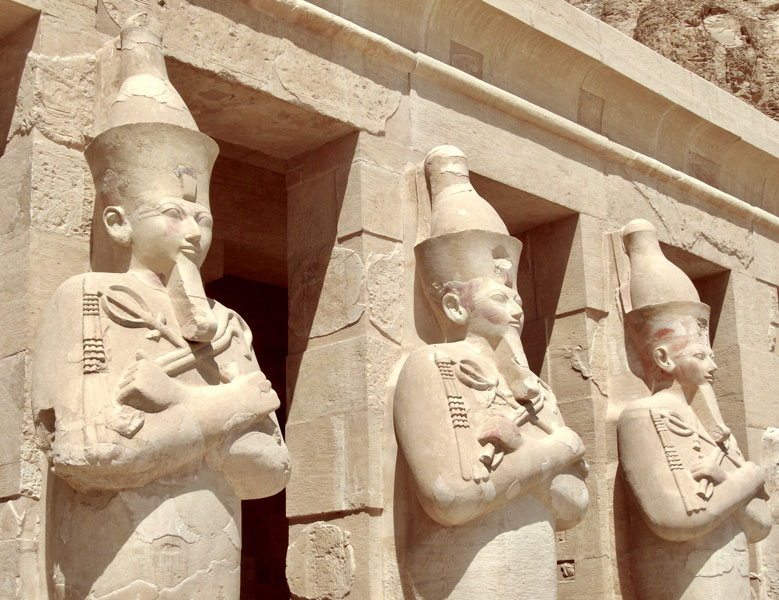
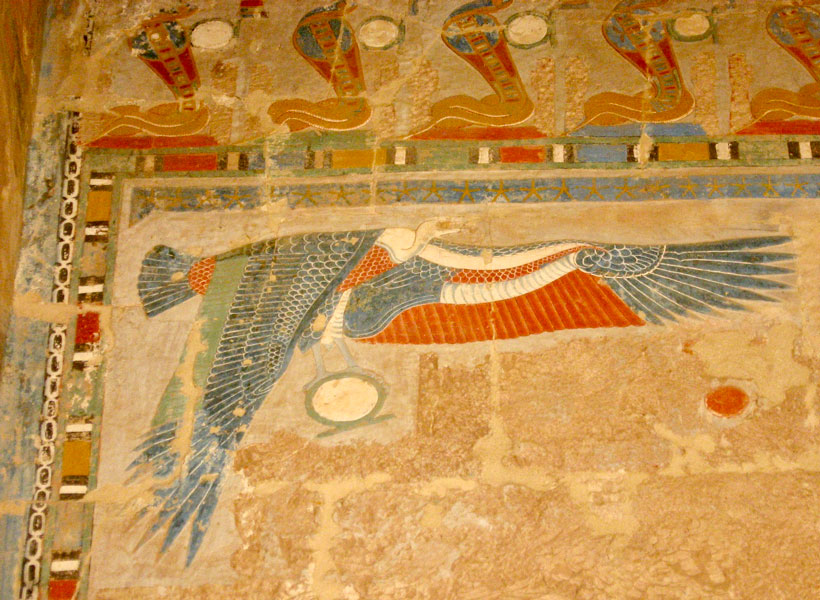
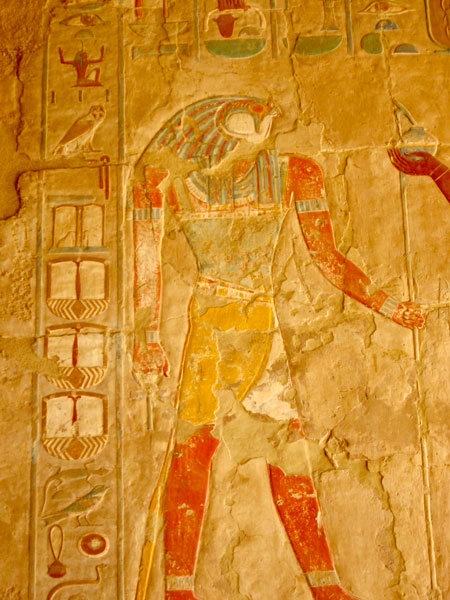
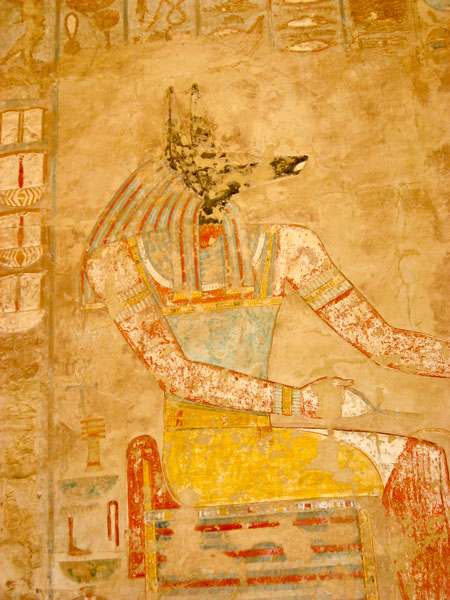
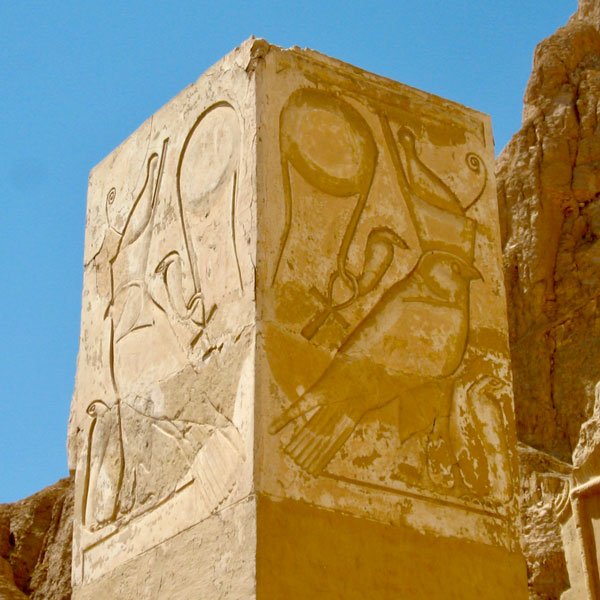
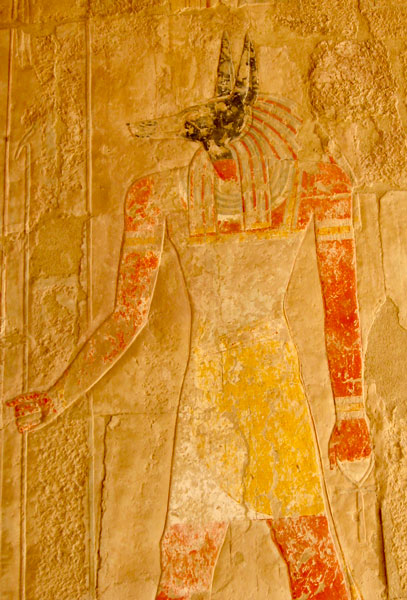
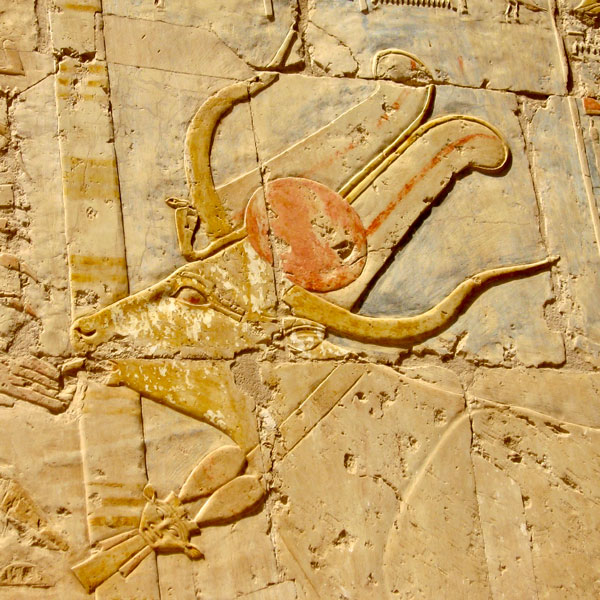
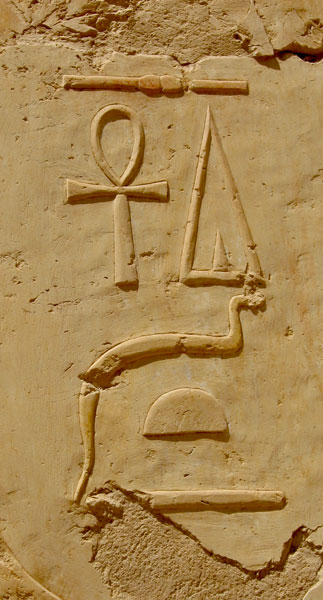
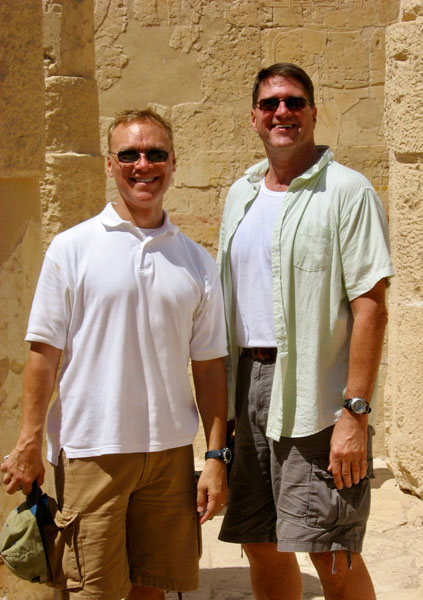
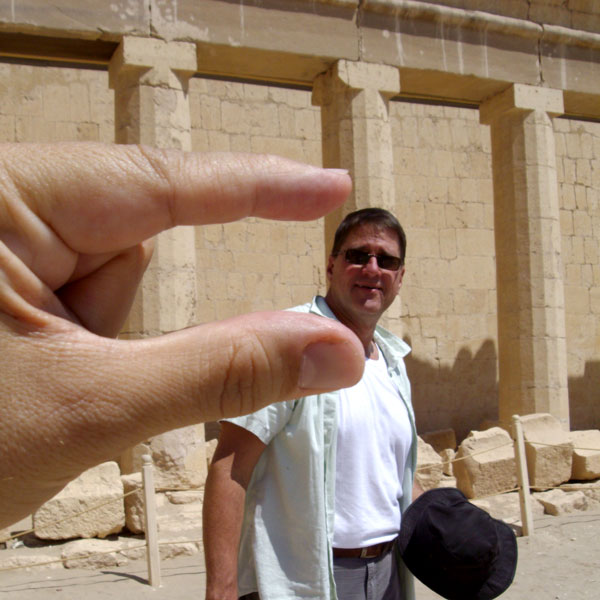
Today, we found ourselves on the West Bank of the Nile early in the morning. We were visiting the incredible funerary monument of Queen Hatshepsut, co-regent then full-on King of Egypt from 1479-1458 BCE.
Yes, King.
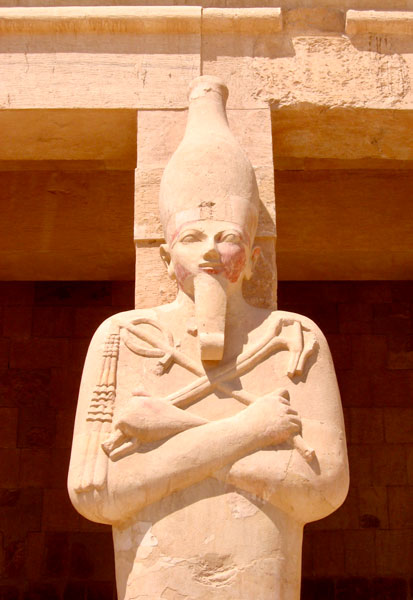
Crowned as such seven years into her reign, she adopted the full titles and regalia of a pharaoh, an unprecedented feat for a woman of the time.
And, as her status changed, so too did her image. Initially depicted more appropriately as a female queen in form and dress, her imagery was recast to reflect her upgraded status. For a brief spell, images depicted her with a female body but attired in kingly (male) regalia. Eventually, though, formal portraits began to show Hatshepsut with a male body, wearing the traditional regalia of kilt, crown and false beard typical of a male pharaoh. (This has nothing to do with gender and all to do with Egyptian artistic convention, which showed things not as they were but as they should be.)
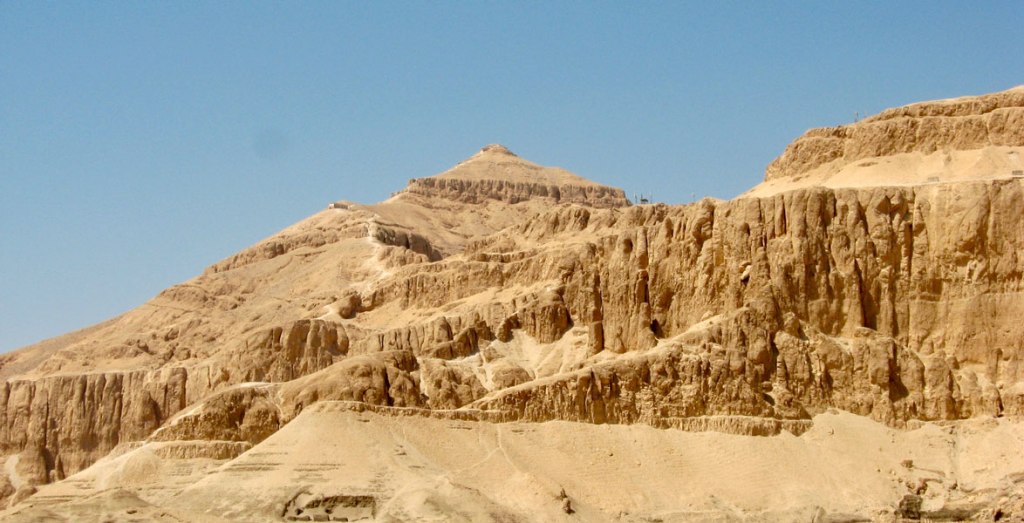
On the other side of the mountains that form the monument’s backdrop is located the Valley of the Kings where most of Egypt’s pharaohs from the New Kingdom period were buried. Hatshepsut herself was interred in the Valley, after she extended the tomb of her father, Thutmose I, so that they could be buried together.
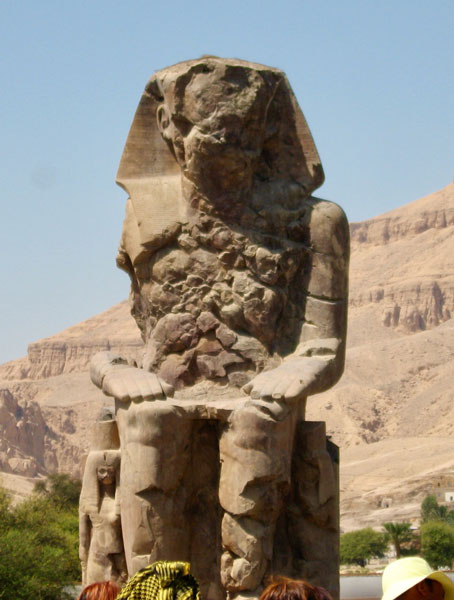
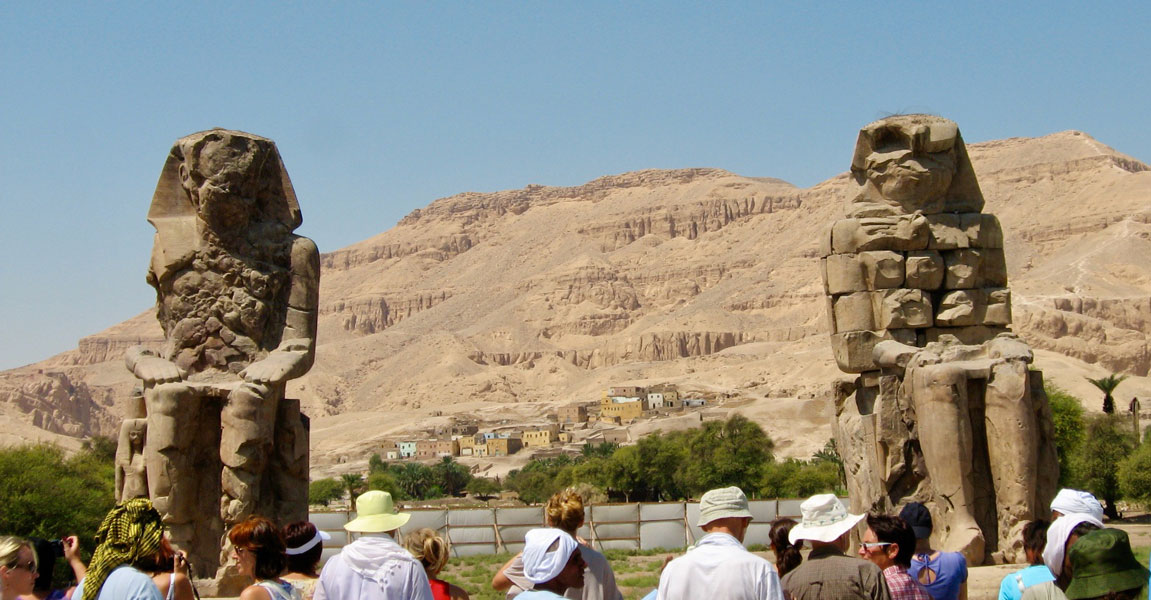
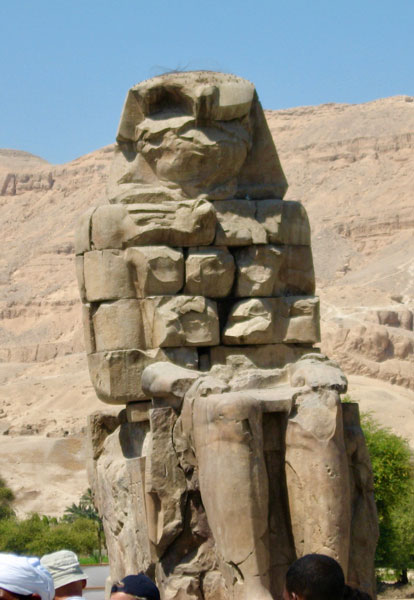
The Colossi of Memnon
On the road from Hapsetshut’s temple to the Valley of the Kings, we paused briefly to take in a pair of massive statues towering over the surrounding fields. These are images of the Pharaoh Amenhotep III, still presiding over what had once been the front of his now-destroyed Mortuary Temple.
The Valley of the Kings
The balance of the day was spent exploring the Valley of the Kings. Again, no pictures were permitted within the tombs to protect the well-preserved heiroglyphics and paintings that covered pretty much all available surfaces as one descended into each tomb.
One obvious (and somewhat annoying) change as a result of the Arab Spring was evident at the entrance to the Valley. Prior to Mubarak’s fall, the Valley area where the discovered royal tombs have been opened to the public was gated and off limits to the swarm of pesky peddlers that preyed on tourists. Now, with the gates removed, these hucksters of cheap souvenirs and tchotchkes were everywhere throughout the complex, pouncing on anyone who gave them even a side-glance of acknowledgement. Like a Disney ride where the exit is through the gift shop, when you emerged from any of the tombs, you had to brave a gauntlet of eager vendors. We became very proficient at using the Arabic word for “No” as taught to us by Hani.
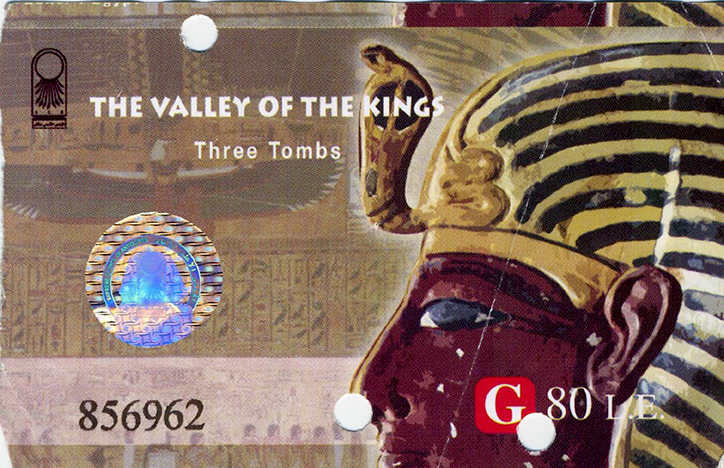
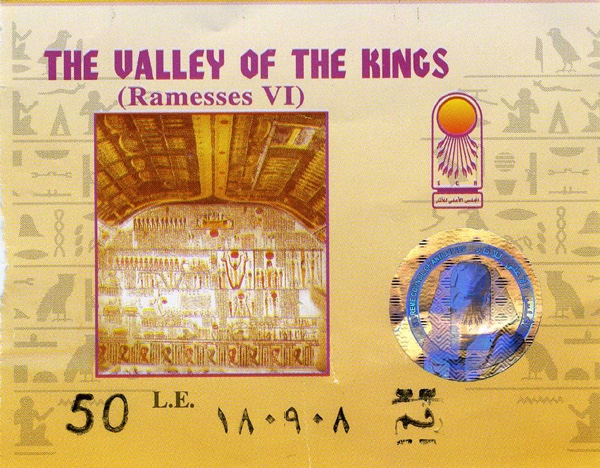
Souvenir tickets admitting us to four of the discovered tombs.
 Egypt
Egypt 